Serving Claremont, CA and surrounding areas. (909) 788-2977
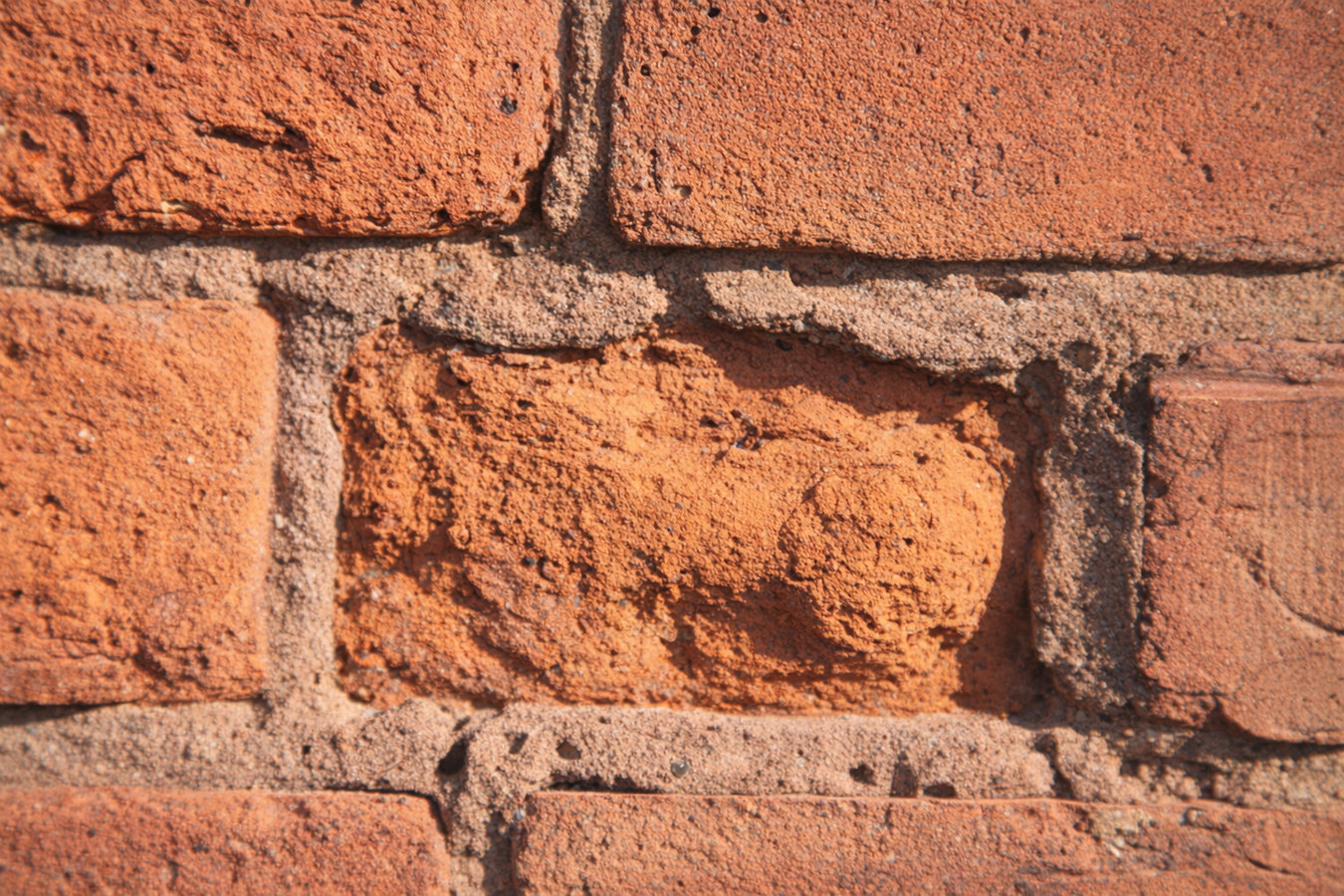
Failing mortar is invisible from the street until water damage shows up inside. We grind out the old material, match fresh mortar to your home's age, and seal joints before Claremont's rainy season creates a repair bill that repointing alone cannot fix.
Brick pointing in Claremont is the process of removing deteriorated mortar between bricks and packing in fresh material - a chimney or small section of a garden wall typically takes one day, while a full exterior wall on a two-story home can take two to four days depending on how much old mortar needs to come out and whether scaffolding is required.
Mortar is designed to be softer than the bricks it holds together, which means it erodes first - typically after 20 to 30 years. In Claremont, the combination of summer heat that regularly pushes past 100 degrees and intense UV exposure at the foot of the San Gabriel Mountains can shorten that lifespan. Many homes near the Claremont Colleges and in the Village neighborhood are old enough to have original mortar that is decades overdue for replacement. If what you are seeing is limited to isolated sections of the wall, our masonry restoration service can address broader surface deterioration beyond what repointing alone handles - but for most failing mortar joints, pointing is the right and most cost-effective first step.
The stakes are higher than they look. When mortar joints fail, water gets behind the brick during winter rains. In Southern California, hard freezes are rare, but wet-dry cycling and the mineral-rich groundwater common throughout the Inland Empire can still damage interior walls, insulation, and framing over time. Catching deteriorated mortar early is almost always less expensive than the water damage repair it prevents.
Stand close to your brick wall and look at the lines of mortar between the bricks. If those lines look sunken below the brick surface, feel soft when you press them, or have visible gaps, the mortar is failing. This is the most direct sign that pointing work is needed - and catching it early almost always costs less than waiting until water has gotten behind the wall.
White staining - called efflorescence - happens when water moves through the wall and carries dissolved salts to the surface. In Claremont, this can appear after winter rains or after irrigation water hits the wall repeatedly. It is a reliable sign that moisture is getting into the joints and that the mortar is no longer sealing the wall the way it should.
Claremont's intense summer heat and fall Santa Ana wind events are hard on chimney mortar in particular, because chimneys are exposed on all sides. After a hot summer or a significant wind event, check your chimney from the ground. If the mortar lines look lighter, thinner, or uneven compared to the brick color, that is a sign the mortar has dried out and begun to pull away from the brick edges.
When mortar fails completely, water gets behind the brick and the wall begins to move slightly with temperature changes. Over time this causes the face of individual bricks to crack or pop off in small chips. If you see this even on just a few bricks, it means mortar failure has been happening for a while and the damage is progressing. Pointing now can stop further brick loss before more extensive repair becomes necessary.
We handle brick pointing for chimneys, exterior walls, garden walls, and boundary walls throughout Claremont and the surrounding Inland Valley. Every job starts with an on-site mortar assessment - we determine the type of mortar your home already has before choosing a replacement mix, which matters especially for older Claremont homes that were built with softer lime-based mortars. If your home has a foundation showing signs of moisture damage alongside deteriorating wall mortar, we can assess both during the same visit and give you a clear picture of priority.
For homes in Claremont neighborhoods with active HOA guidelines, mortar color and joint finish are sometimes regulated. We confirm those requirements before we mix a single batch so the finished work passes review without a call from the association. Our process includes a written estimate, a pre-work mortar assessment, and a final walkthrough - so you know exactly what was done and what to expect during the curing window.
Replacing deteriorated mortar on chimney joints - suited for Claremont homes where the chimney is fully exposed to heat cycles and Santa Ana wind events year-round.
Systematic mortar replacement across a full or partial exterior wall face - suited for homes in Claremont's historic neighborhoods where original mortar from the mid-20th century has reached the end of its lifespan.
Repointing mortar joints on freestanding brick garden walls or property boundary walls - suited for homeowners who want to stop water intrusion before structural damage sets in.
Targeted repointing of specific damaged sections rather than a full wall - suited for homes where the majority of mortar is sound but isolated areas near grade or in a shaded corner have deteriorated faster.
Claremont has a significant number of homes built between the 1920s and 1960s, particularly around the Claremont Colleges and in the Village neighborhood. Mortar from that era was typically lime-based and softer than modern mixes - it can look intact on the surface while being hollow or crumbling underneath. Claremont's summer temperatures regularly exceed 100 degrees, and the UV exposure at the Inland Valley foothills is intense year-round. That combination dries out mortar faster than in coastal cities, meaning homeowners here often find they need pointing work earlier than general guidance would suggest. Homeowners in Pomona and across the Pomona Valley face the same conditions, and the mortar assessment and mix selection process we use accounts for all of it.
The Santa Ana winds that sweep through the Inland Empire each fall and winter add another layer. Those winds carry fine grit at high speed, and when mortar joints are even slightly open, that material works its way in and accelerates erosion from the inside. After a significant wind event, it is worth walking your exterior walls and looking for joints that appear darker, dustier, or slightly recessed - those are signs that material has worked into the joint and weakened it. Homeowners in Ontario and nearby communities see the same pattern, and the timing of pointing work relative to wind season makes a real difference in how long the repair lasts.
We ask about the wall size, your home's age, and whether you have noticed specific damage. Most estimates are scheduled within a few days of your call. We respond to every inquiry within one business day and do not charge for the site visit.
During the visit we look closely at the joints, tap brick to check for hollow spots, and assess the type of mortar already in place. Older Claremont homes often need a lime-based replacement mix rather than a modern cement mix - we determine that on-site before quoting the job. You receive a written estimate that explains the scope and cost.
The crew grinds or chisels out old mortar to a consistent depth - this is the noisiest part of the job. Once joints are clean, fresh mortar is packed in and tooled to match the existing joint profile. Most single-story homes take one to two days for this phase.
After application, the crew cleans mortar residue off the brick faces and removes any drop cloths or scaffolding. We walk the wall with you and explain the 24- to 48-hour curing window - during which sprinklers should not hit the new joints. In Claremont's warm, dry climate mortar typically cures quickly, but your contractor will confirm specific guidance based on the mix used.
Free on-site estimate. Mortar assessment included. Written quote before any work starts.
(909) 788-2977Many Claremont homes - especially those built between the 1920s and 1950s near the Claremont Colleges - were constructed with lime-based mortar that is intentionally softer than modern cement mixes. Using the wrong replacement mortar on an older home can crack the original bricks over time. We assess your existing mortar before choosing a replacement so the new material works with your home's structure, not against it.
Claremont has active homeowners associations in many neighborhoods, and some HOAs specify mortar color or joint profile to maintain consistent street appearance. Getting the color wrong can mean redoing the work at your own expense. We ask about your HOA requirements before we mix a single batch so the finished joints match what your neighborhood expects.
The greater Los Angeles area, including Claremont, sits in a high seismic hazard zone. Deteriorated mortar joints reduce a brick wall's ability to flex and absorb movement during an earthquake. Keeping mortar in good condition is a basic maintenance step that reduces the risk of brick displacement during a tremor. Consult the National Park Service Preservation Briefs for the technical standard used for mortar matching on historically significant and older residential masonry.
Most straightforward repointing does not require a permit, but chimney structural repairs and some combined brick replacement work do. We confirm permit requirements before any work begins and pull the permit when needed. Verify the license of any California masonry contractor at the California Contractors State License Board before signing a contract.
Brick pointing that holds up in Claremont requires knowing the area - the age of the housing stock, the mortar types those homes were built with, the HOA landscape, and how local climate conditions stress exterior masonry. That combination of local knowledge and proper materials is what separates a 20-year repair from one that needs to be redone in five.
If pointing work reveals that mortar failure has allowed water to reach your foundation over time, we can assess and repair the underlying structural damage.
Learn MoreBroader restoration work for masonry surfaces that have deteriorated beyond what repointing alone can address - cleaning, rebuilding, and sealing included.
Learn MoreBook before the next wind season drives grit into those open joints - we are scheduling estimates now.