Serving Claremont, CA and surrounding areas. (909) 788-2977
Claremont Concrete & Masonry serves Walnut homeowners with brick wall installation, retaining walls, and masonry restoration - backed by 10+ years of experience on the hillside properties and clay-soil lots that define this part of the San Gabriel Valley. We respond within one business day and provide written estimates before any work starts.
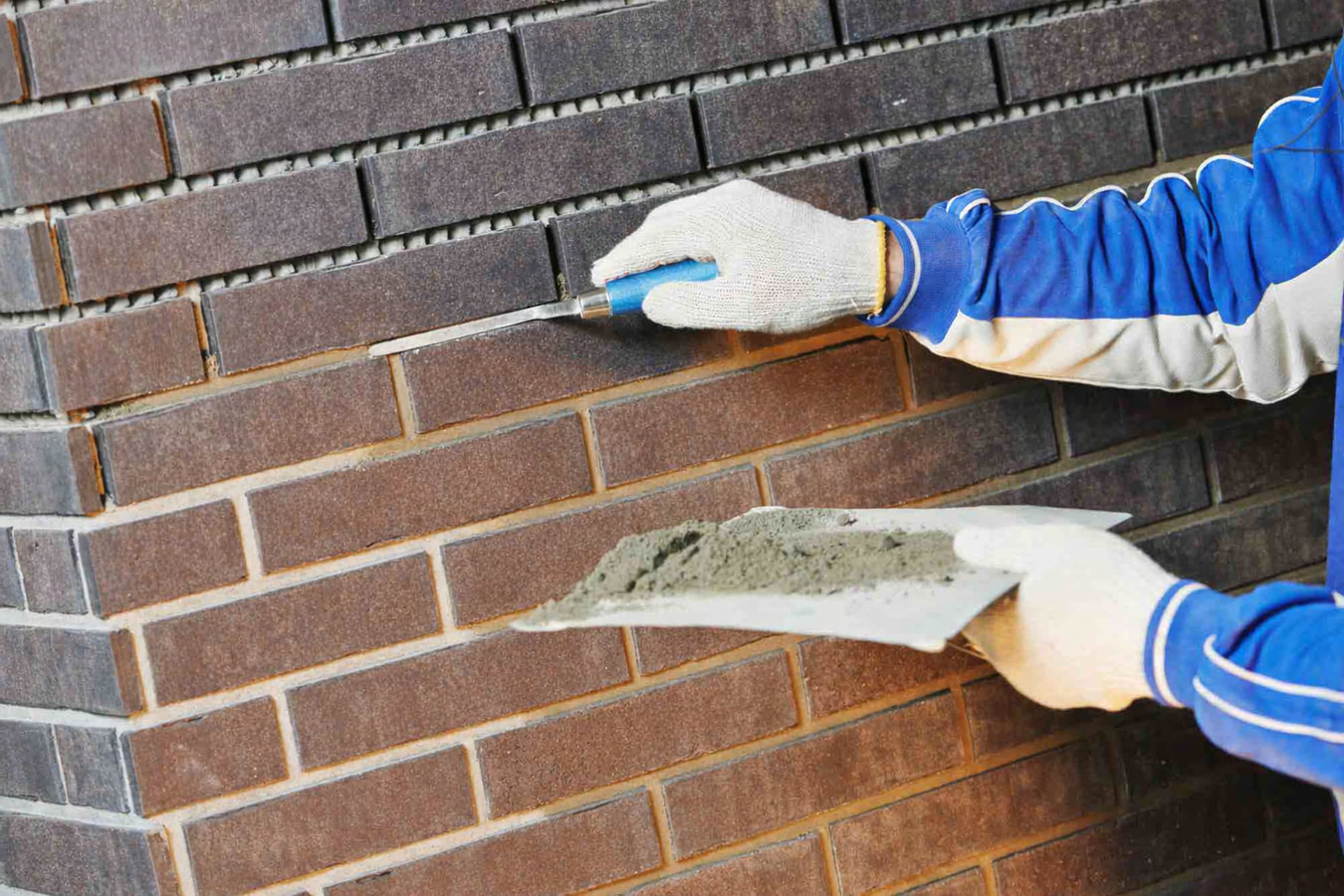
Walnut homeowners replacing aging block boundary walls often choose brick for its longevity and finished appearance on high-value properties. Our brick wall installation work in Walnut accounts for the clay soil movement that is the main reason original walls from the 1970s and 1980s have shifted - including footing depth and drainage provisions that the original construction typically skipped.
Walnut's hillside lots use retaining walls to hold graded terraces, keep landscaping from washing down slope, and separate elevation changes in backyard spaces. Walls on these properties need properly sized drainage aggregate and a drain pipe at the base - without them, every wet winter from November through March pushes water against the footing until something fails.
Concrete driveways on Walnut homes from the 1970s and 1980s commonly show cracking and uneven sections caused by clay soil movement beneath the slab. Paver systems allow individual sections that heave or shift to be lifted and reset without breaking out the entire pour, which makes them a practical long-term choice for Walnut properties where soil movement is ongoing rather than a one-time event.
Walnut homeowners on properties where median home values exceed $800,000 frequently use stone veneer to update exterior elevations and backyard entertainment structures without a full rebuild. Installing veneer on stucco substrates in Walnut requires a moisture barrier and proper drainage mat because stucco hairline cracks on older homes are common entry points for winter rainwater.
Brick chimneys, planters, and low front-yard walls on Walnut homes built in the 1970s and 1980s have been through 40 to 50 years of San Gabriel Valley heat cycles and wet-dry soil movement. Mortar joints on these structures often crumble before the brick face itself fails, and addressing soft joints while the brick is still intact avoids the cost of full reconstruction later.
Original concrete walkways on Walnut mid-size lots are frequently cracked and uneven after decades of clay soil movement, and simple patching rarely holds up through another full seasonal cycle. New walkways built on properly compacted base material with correctly spaced expansion joints address the root cause of the failure rather than just filling the visible crack.
Walnut is a mostly residential city where over 80% of households own their homes - one of the highest rates in the San Gabriel Valley. Homeowners here tend to stay long-term and invest in maintaining and improving their properties, which means masonry work in Walnut is driven by genuine upkeep and value-add decisions rather than quick flips. The housing stock built between the 1970s and 1990s is now 35 to 55 years old, and a lot of original concrete, block, and brick work is reaching the end of its reliable service life. Cracked driveways, shifting patios, and leaning boundary walls are common sights throughout the city, and the underlying cause is consistent: expansive clay soil that swells and contracts with the seasons, working against masonry foundations that were not built to accommodate that movement.
The hillside character of Walnut adds complexity that flat-lot cities do not have. Many properties sit on graded terrain with retaining walls that are doing structural work - holding soil against the grade, not just defining a garden bed. Those walls, built in the 1970s and 1980s without the drainage provisions now considered standard, accumulate water pressure behind them every wet winter. Walnut gets most of its rain between November and March, often in heavy bursts rather than slow drizzle, and the California Geological Survey notes expansive soils as a significant hazard in much of the San Gabriel Valley. Add 100-degree summers that accelerate mortar deterioration, and masonry in Walnut faces a real maintenance challenge that requires a contractor who understands both the soil and the climate - not just someone who pours concrete.
Our crew works throughout Walnut regularly, and we understand the local conditions that affect masonry work here. We handle permits through the City of Walnut for structural jobs and are familiar with the review expectations for retaining walls and block walls on the hillside lots that are common on the north and east sides of the city. Walnut has its own municipal process, and getting the permit application right the first time avoids delays that can push construction into the rainy season - the worst time to start excavation or footing pours on a sloped lot.
Most of our Walnut work is in the single-family neighborhoods that surround Mt. San Antonio College and stretch up into the hills along Lemon Avenue and Amar Road. The streets closest to Mt. SAC tend to have homes from the earlier part of the city's development - the 1970s and early 1980s - where original masonry is oldest and most in need of attention. The quieter hillside streets on the north and east sides of Walnut, with their winding roads and graded lots, are where retaining wall and drainage work is most common. We also work regularly in nearby Chino to the south, where newer residential development and flat-lot properties present a different set of project types.
Our neighboring coverage area of Diamond Bar shares Walnut's hillside terrain and housing age, and working across both cities gives us a strong sense of the masonry repair patterns that are specific to this part of eastern Los Angeles County - retaining wall failures driven by clay soil pressure, block walls from the 1970s that have shifted at the footing, and driveways on sloped lots that fail differently than flat-lot pours.
Call or submit a request online with a description of what you are seeing. We respond to all Walnut inquiries within one business day and will ask a few questions to understand the scope before scheduling a site visit.
We come to your Walnut property to assess the project in person - including lot slope, soil conditions, access for equipment, and whether the work triggers a permit requirement. You receive a written estimate with a clear scope before you commit to anything.
For work requiring a Walnut city permit, we handle the application and communicate the review timeline so you know when construction begins. We do not start excavation on permitted jobs until approvals are in hand.
When the work is complete, we walk the finished project with you to confirm it matches the written scope. All job debris is removed before we collect final payment, and we are available to answer questions after the project closes.
We serve all of Walnut - from the neighborhoods near Mt. SAC to the hillside streets on the north side of the city. Free written estimates, one business day response.
(909) 788-2977Walnut is a small city of roughly 29,000 residents in the San Gabriel Valley, bordered by the 60 and 57 freeways and sitting just inside the Los Angeles County line near Diamond Bar, Rowland Heights, and Industry. The city is almost entirely single-family residential, with over 80% of housing units owner-occupied - one of the highest rates in the region. Most homes were built between the 1970s and the early 1990s during a sustained period of suburban growth that transformed open land into the planned neighborhoods that define the city today. Median home values in Walnut frequently exceed $800,000, and residents tend to stay long-term, which translates into a homeownership culture focused on maintenance and improvement rather than turnover. The Walnut Valley Unified School District is consistently ranked among the top school districts in California, which draws families who plan to put down roots.
The most prominent landmark in Walnut is Mt. San Antonio College (Mt. SAC), one of the largest community colleges in California, which sits on the western edge of the city and serves as a reference point nearly every Walnut resident knows. Suzanne Park near the center of town is a well-used gathering space for families. The city's terrain is predominantly hilly, with streets winding up ridgelines and many lots showing grade changes from front to back or side to side. This hillside character distinguishes Walnut from flatter neighbors like Chino to the south and connects it more closely to adjacent Diamond Bar, where similar hillside properties and housing ages create the same masonry maintenance profile.
Restore structural stability and stop foundation damage before it spreads.
Learn MoreFix cracks, spalling, and mortar deterioration for a safe, weathertight chimney.
Learn MoreReplace deteriorated mortar joints to protect and extend the life of your masonry.
Learn MoreRebuild or replace damaged bricks to restore appearance and structural integrity.
Learn MoreInstall durable, attractive pavers that enhance curb appeal and withstand heavy use.
Learn MoreBuild strong retaining walls that control erosion and transform sloped terrain.
Learn MoreCustom-built fireplaces designed for safety, efficiency, and lasting style.
Learn MoreConstruct solid, low-maintenance block walls for privacy, security, and boundaries.
Learn MoreCreate a level, load-bearing block foundation for new and existing structures.
Learn MoreBuild custom outdoor kitchens in stone and brick for year-round entertaining.
Learn MoreDesign and install durable walkways that guide guests and enhance landscaping.
Learn MoreLay custom brick walls that add character, privacy, and lasting value.
Learn MoreRepoint worn mortar joints to prevent water intrusion and preserve your brickwork.
Learn MoreWe serve all of Walnut and respond within one business day. Call now or request online - and do not wait until winter rains turn a small crack into a bigger repair.