Serving Claremont, CA and surrounding areas. (909) 788-2977
Crumbling mortar joints let water, pests, and Claremont's dry heat work their way into your walls. We remove the damaged material and pack in fresh mortar so your masonry stays sealed, solid, and looking right.
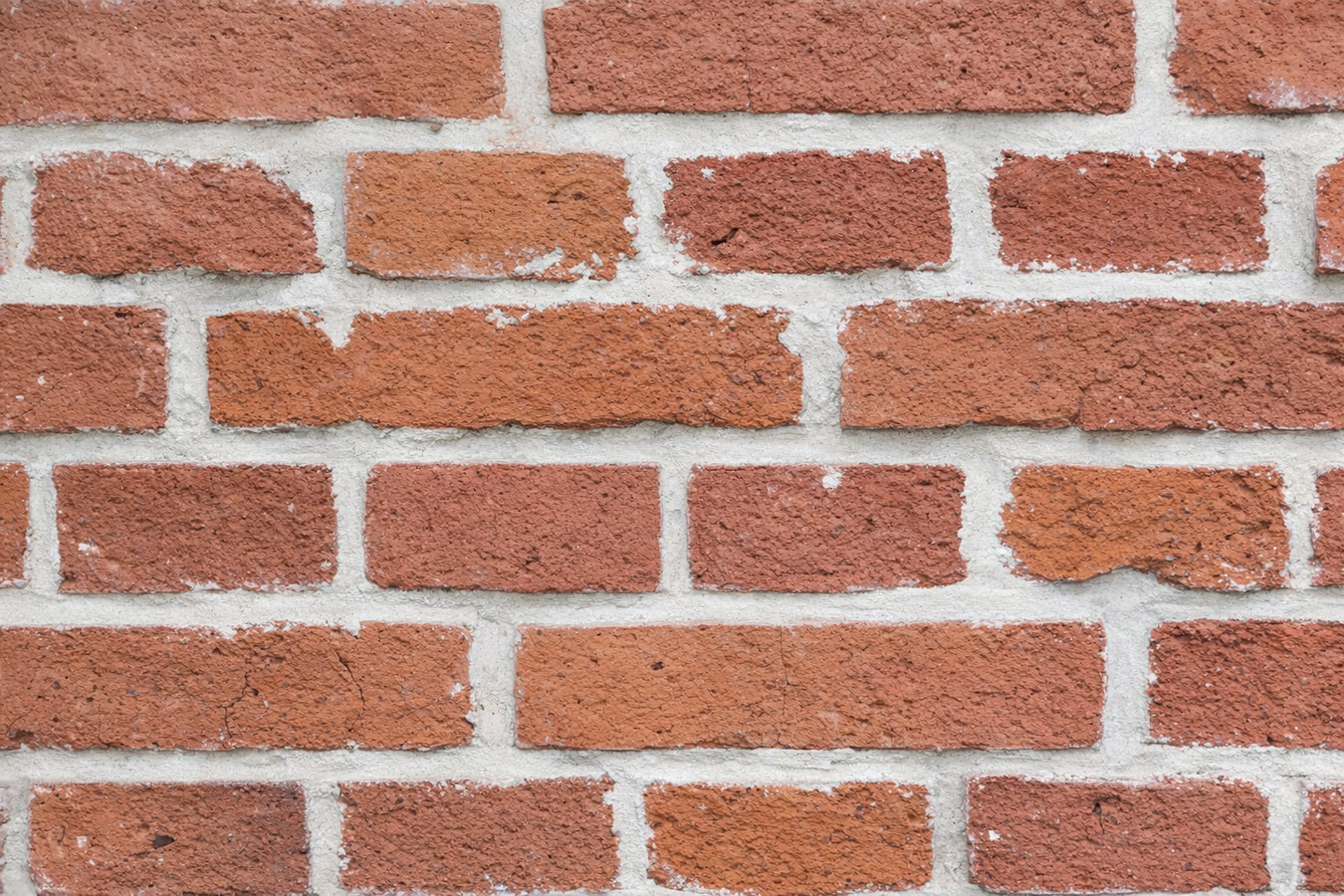
Tuckpointing in Claremont means grinding out deteriorated mortar from brick or stone joints and packing in fresh material that bonds the wall back together, most jobs take one to three days for a standard single-story home.
A lot of Claremont homes - especially those near the Claremont Colleges built between the 1920s and 1960s - have never had their mortar joints touched since they were laid. Decades of Inland Empire heat, Santa Ana winds, and minor seismic activity slowly break down the material until joints open up and water finds a way in. Most homeowners notice the visible signs only after the damage has been building quietly for years.
Tuckpointing is the right first step when mortar is the problem. If you are also seeing bricks that are cracked, loose, or shifting, our brick repair service addresses that layer of damage alongside the mortar work.
Run your finger along the joint lines between bricks. If mortar flakes off or feels powdery and soft, it has lost its bond. Healthy mortar should feel firm, like the brick itself. This two-minute test tells you a lot.
Stand back and look at your wall. Dark, recessed lines where mortar used to be flush mean water is already getting in. In Claremont's dry climate, you may not see obvious water damage indoors - but the deterioration is still progressing behind the surface.
Those white patches are called efflorescence. They form when water moves through the wall and deposits mineral salts on the surface as it evaporates. Claremont's summer heat drives rapid evaporation, making these stains appear quickly once mortar starts failing.
If you noticed cracks after a tremor or a strong Santa Ana wind event, do not assume they are cosmetic. Claremont sits near active fault lines, and even small seismic events open joints that were already weakened by years of heat cycling.
Our tuckpointing work starts with cutting out damaged mortar to the right depth - roughly three-quarters of an inch - so the new material bonds properly. We match the mortar composition to your existing wall before mixing anything. On older Claremont homes from the 1920s through 1950s, that usually means a softer, lime-based mix that flexes with the brick rather than fighting it. Using the wrong hardness is one of the most common mistakes in this trade, and it causes bricks to crack over time. We also pair tuckpointing with our brick pointing service when joints need a precision finish after the structural mortar work is done.
We work on brick walls, stone walls, chimneys, retaining walls, planters, and garden structures. Every job ends with a full walkthrough so you can see exactly what was done before we pack up. If you live in an HOA neighborhood - and many Claremont communities have design guidelines - we match mortar color and joint finish to the existing wall so the repair looks like it was always there.
Best for walls with widespread joint deterioration where the mortar has crumbled or receded across a large area.
Suited to walls with isolated damage - a few joints after a seismic event or targeted wear from Santa Ana winds.
For homeowners whose chimney mortar has failed - a job that requires scaffolding and careful color-matching at height.
Ideal for pre-1960 Claremont homes where lime-based mortar composition must be matched before any new material is packed.
Claremont sits in the Inland Empire, where summer temperatures regularly climb above 95 degrees Fahrenheit and humidity drops low enough to pull moisture out of mortar fast. That thermal cycling - hot days, cooler nights, repeated across hundreds of seasons - works mortar loose from joints in a way that homeowners in cooler, wetter climates rarely experience. Add to that the Santa Ana winds that push abrasive dust across the area every fall and winter, and the active fault lines that run through this part of Southern California, and the conditions here are genuinely hard on masonry. Homeowners near Upland, CA and La Verne, CA deal with the same environmental pressures and call us for the same reasons.
Claremont also has a large number of homes built between the 1920s and the 1960s - particularly in the neighborhoods near the Claremont Colleges - where original mortar has simply reached the end of its useful life. Many of these homes have never been repointed, or were patched decades ago with materials that are now failing. The city also has active HOA neighborhoods with exterior design guidelines, which means mortar color and joint finish have to match the existing wall rather than just function correctly. That combination of age, climate, and community standards is exactly the kind of situation we navigate every week.
We reply within one business day. Tell us where the damage is and roughly how much wall is involved. We will ask a few questions to determine whether we can give a ballpark estimate by phone or need to see it in person first.
We walk the wall with you, check joint depth and mortar type, and measure the area. You receive a written estimate covering scope, materials, and total cost - not a verbal quote. No surprises.
We cut out old mortar to the proper depth, clean the joints, and pack in fresh material matched to your existing wall. Expect grinding noise and some dust - we lay drop cloths and clean up at the end of each day.
Before we leave, we walk you through the finished job. Fresh mortar needs 24 to 48 hours before it gets wet. We tell you exactly what to avoid and for how long so the repair cures properly.
Failing mortar gets worse with every season of Claremont heat and wind. Call us or fill out the form and we will get back to you within one business day with a straight answer.
(909) 788-2977We test mortar composition and color against your existing wall before mixing a batch. For pre-1960 Claremont homes, that means a softer lime-based formula that flexes with the masonry instead of cracking the bricks. This is the step that separates a repair that lasts from one that fails in a few seasons.
We have worked on masonry walls throughout Claremont and the surrounding Inland Empire cities since 2016. We know which neighborhoods have HOA color requirements, which soil conditions cause joint movement, and what Claremont's climate does to mortar year after year.
Every job gets a written estimate listing what will be done, what materials will be used, and what the total cost is. You can compare it against other bids without guessing at scope. Nothing is added to the cost without your approval first.
California requires any contractor doing masonry work above $500 to hold a valid license from the Contractors State License Board. You can look up our license status at any time on the{' '}CSLB website. A licensed contractor also carries insurance that protects your property if anything goes wrong.
When you combine the right mortar mix, a written scope, and a contractor who has worked on Claremont masonry since 2016, you get a repair that holds - not a patch job you are calling about again next year.
For more technical background on mortar standards and historic masonry preservation, see the National Park Service Preservation Briefs and the Brick Industry Association.
When tuckpointing is not enough - loose bricks, spalling faces, or diagonal cracks that point to structural movement.
Learn MorePrecision joint finishing that refines the look and seal of mortar lines after structural repointing is complete.
Learn MoreClaremont's summer heat is hard on mortar. Call today or send us a message and we will respond within one business day.