Serving Claremont, CA and surrounding areas. (909) 788-2977
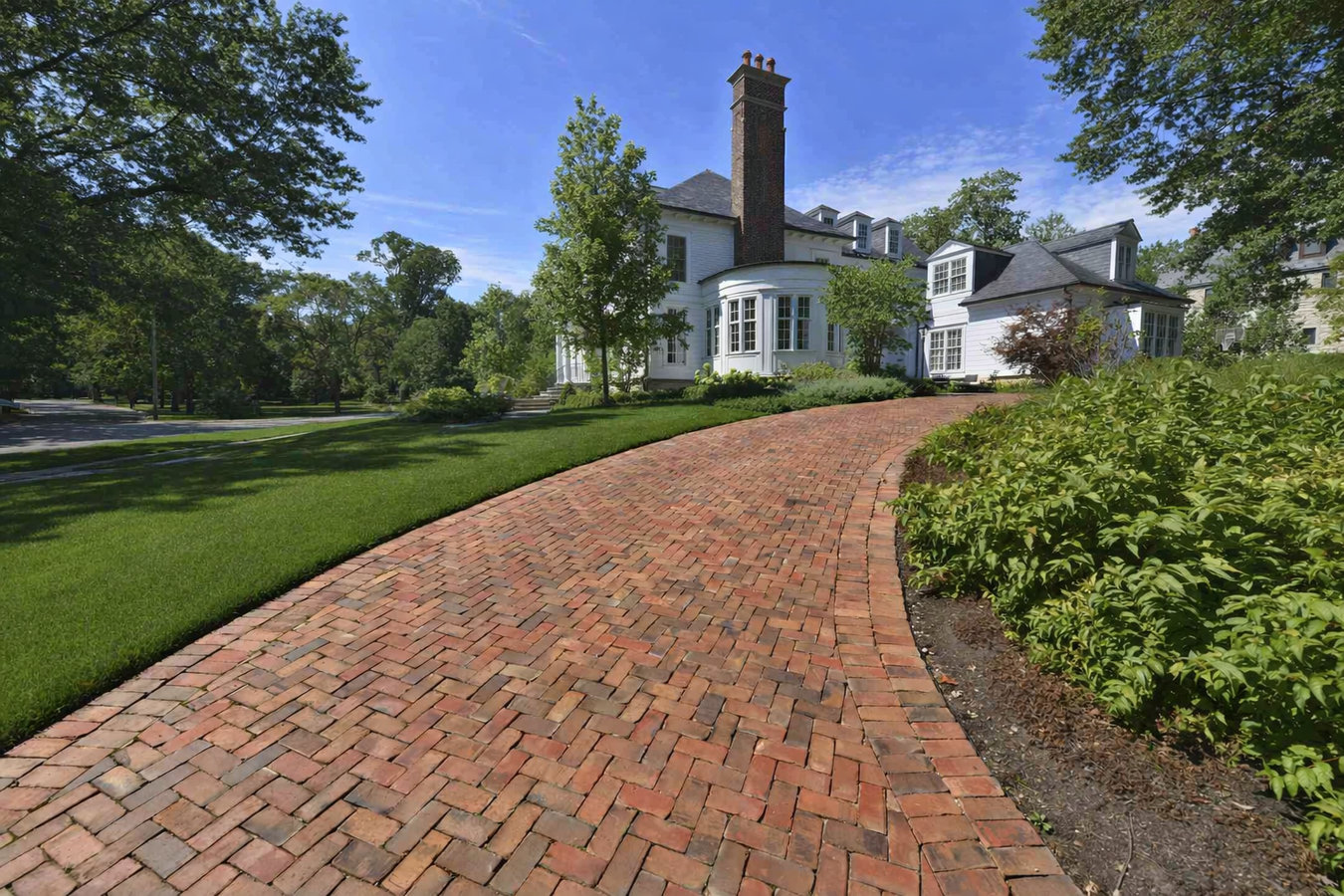
Your front path should look great and hold up for years. We build concrete, paver, and stone walkways designed for Claremont's clay soil and mature tree roots.
Walkway construction in Claremont means excavating the ground, building a compacted gravel base, and installing your chosen surface - concrete, pavers, or natural stone - with proper drainage and edge finishing; most standard residential paths take one to three days of active work from first shovel to final cleanup.
Most homeowners in Claremont reach out when an existing walkway has cracked and shifted one too many times, or when they realize they have never had a defined path at all. Either way, the biggest factor in whether your new walkway lasts is what happens underground, not on top. The clay-heavy soil throughout the Inland Valley expands when it rains and shrinks in the dry summer months - that movement is what buckles paths that were not built with adequate base depth. If your project also includes a driveway or parking area, our driveway pavers service uses the same proven base preparation and can be quoted together in one visit.
Claremont also has specific permit requirements for paths that connect to the public sidewalk - an encroachment permit from the city is required before work starts, and we handle that paperwork as a standard part of every qualifying project. You will not have to call the city or wonder if the work is above board. A contractor who suggests skipping this step is one worth being cautious about.
If you have patched your existing walkway before and the cracks keep coming back, the base underneath has shifted - it is not just a surface problem. In Claremont, this is often caused by clay soil expanding and contracting through the seasons. Patching the surface again will not fix what is happening underneath, and a full replacement is usually the more cost-effective long-term choice.
Walk your current path slowly and notice if any sections wobble, tilt, or feel higher or lower than the ones next to them. This kind of unevenness is a tripping hazard - especially for older family members or guests - and it tends to get worse over time, not better. In Claremont's older neighborhoods, this is a common result of decades of tree root growth working its way under the path.
A well-built walkway sheds water away from your house. If you notice puddles sitting on the surface or water collecting along the edges after it rains, the path is no longer draining the way it should. Left alone, that standing water works its way into the base and speeds up deterioration - and directs moisture toward your foundation.
If visitors consistently cut across the grass to reach your front door, that worn strip is telling you something. A properly placed walkway protects your landscaping, makes your home more welcoming, and gives everyone a safe, stable surface to walk on - especially important in Claremont's summer months when dry grass can be slippery.
We build walkways in three main materials - poured concrete, concrete or brick pavers, and natural stone - and the right choice depends on your budget, your soil situation, and how the path will look alongside your home. Poured concrete is the most cost-effective option for a clean, low-maintenance surface, and it works well when the design is straightforward and the site has no major root proximity concerns. For yards with mature trees or homeowners who prefer to be able to swap out a single damaged piece without disturbing the whole path, pavers are the better long-term choice. For homeowners near the historic Village area or with Craftsman-style homes, natural stone creates a look that poured concrete simply cannot match.
All three options can be paired with our brick wall installation service if you want to add a low boundary wall or step structure alongside the path. We design and build those together as a single project so the materials, heights, and finishes coordinate - rather than having two separate crews working the same area at different times. Custom curved layouts and decorative patterns are available in any material, and we can match existing hardscape on your property to keep the finished result looking intentional.
The most cost-effective option for a clean, durable path - suited for homeowners who want a long-lasting surface with minimal maintenance.
Individual units set over a compacted base - suited for homeowners who want the ability to repair or replace individual sections if a root causes movement.
Flagstone, travertine, or similar materials set in mortar or sand - suited for homeowners who want a premium look that complements existing landscaping or a Craftsman-style home.
Decorative layouts that follow the natural flow of a yard or match a home's architectural character - suited for homeowners with a specific design vision or challenging site geometry.
Claremont is known as the City of Trees, and that identity comes with a real structural challenge for anyone building at grade. The city's mature sycamores, oaks, and jacarandas are one of its most defining features, but tree roots are the single most common reason walkways in older Claremont neighborhoods crack and shift. We assess root proximity before laying a single stone - recommending routing, root barriers, or materials that allow piece-by-piece repair when a root eventually grows under a section. Homeowners in San Dimas and La Verne face similar mature-canopy challenges on their older residential streets, and we apply the same assessment process in those communities.
The clay-heavy soil beneath Claremont yards is the other major variable. Unlike sandy or loam soils, clay expands significantly when it absorbs rain and contracts in the dry summer heat - and that repeated movement is what undermines walkways built without adequate base depth. Claremont's permit requirements for paths connecting to the public right-of-way also add a step that many out-of-area contractors overlook. The city requires an encroachment permit from its Public Works department before any front walkway that meets the public sidewalk can be built - for more on those requirements, the Interlocking Concrete Pavement Institute publishes installation guidance on base requirements that applies directly to paver work in expansive soil conditions like Claremont's.
We ask a few questions over the phone - roughly how long the path is, what material you are considering, and whether any trees or slopes are involved. We schedule a free on-site visit and reply within one business day. It is hard to price a walkway accurately without seeing the site in person.
During the visit we look at the ground, check for tree roots or drainage issues, and walk through your material options. This is the right time to ask about base preparation and how we handle the clay soil common in Claremont. You leave with a written estimate that specifies what base work is included.
If your walkway connects to the public sidewalk, we pull the encroachment permit from the City of Claremont before any work begins. This typically adds a few days but is a routine step - we handle it, not you. Once permits are in order, we confirm your start date.
We excavate, compact the gravel base, and install the surface material. For concrete, we pour, finish, and cut control joints the same day. For pavers, each piece is set and joints are filled. We clean up the site and walk the finished path with you before the crew leaves.
Free on-site estimate, written quote, no obligation to move forward.
(909) 788-2977Most walkway failures in this area come from inadequate base preparation, not from the surface material. We dig deeper and use a thicker compacted gravel layer than contractors working in more stable soil regions, because the clay underneath Claremont yards demands it. Your path stays level and intact through wet winters and dry summers.
Claremont is the City of Trees, and mature tree roots - especially from oaks, sycamores, and jacarandas - are a leading cause of walkway failure in this city. We assess root proximity before designing your path and recommend routing, materials, or barriers based on what we actually find. Out-of-area contractors often skip this step entirely.
Any walkway that connects to the public sidewalk requires an encroachment permit from Claremont's Public Works department. We pull this permit as part of every qualifying project - you will not have to call the city or worry about work being flagged after the fact. Verify licensed California contractors at the California Contractors State License Board.
Many Claremont neighborhoods have HOA design guidelines covering materials, colors, and hardscape appearance. We ask about your HOA situation during the estimate visit and confirm your design will pass review before work starts - so you are not stuck in a back-and-forth with your association after the job is done.
These details add up to a walkway that performs well in this specific city - not just one that looks good in a photo on day one. Every project we quote is based on what we see on your property, not a generic per-square-foot rate that ignores your soil, your trees, and your permit requirements.
Define your property boundaries or frame a garden with a brick wall built to complement your new walkway.
Learn MoreExtend your paver design from the walkway to the driveway for a cohesive, polished front-of-home appearance.
Learn MoreSpring booking slots fill quickly - contact us now to lock in your preferred start date before the summer heat arrives.