Serving Claremont, CA and surrounding areas. (909) 788-2977
Claremont Concrete & Masonry has served La Verne homeowners since 2016, providing stone veneer installation, retaining walls, driveway pavers, and brick repair for the foothill and mid-century homes throughout the city - with a local crew, written estimates, and one business day response.
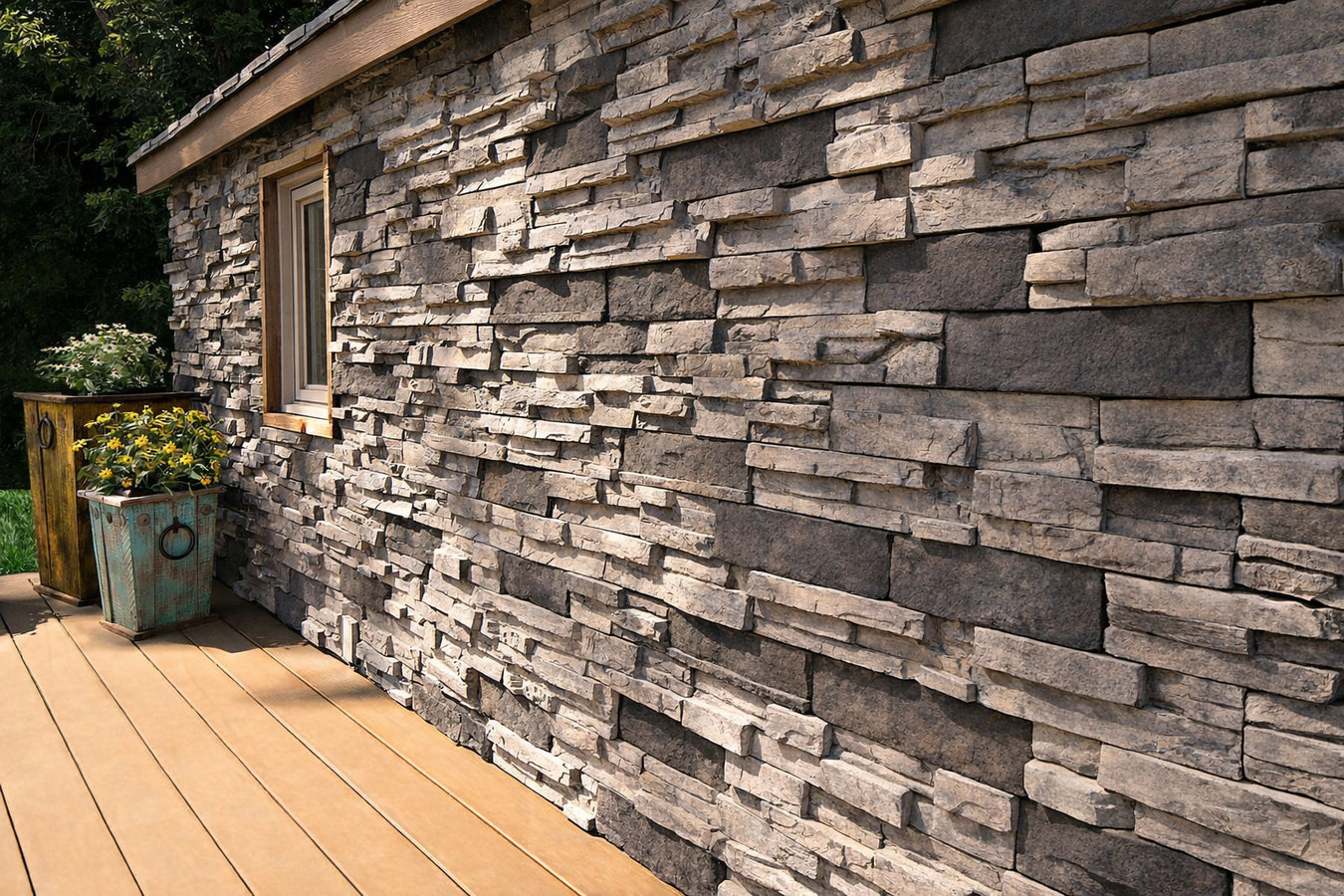
La Verne homeowners near the foothills and in the older neighborhoods around the University of La Verne often choose stone veneer to update aging stucco facades or add character to ranch homes without the cost and disruption of full exterior replacement. Our stone veneer installation work includes proper moisture barrier preparation behind the veneer so La Verne's wet winters do not find a path into the wall assembly.
La Verne sits at roughly 1,000 feet elevation along the base of the San Gabriel Mountains, and many properties on the northern and eastern edges of the city have slopes that require properly engineered retaining walls with drainage provisions. Walls built without adequate drainage behind them are the most common failure point we see when homeowners call us about a wall that is leaning or cracking.
Older La Verne homes - particularly those built in the 1950s and 1960s near downtown and the University of La Verne campus - frequently have original concrete driveways that have been cracking and settling for years as the clay soil underneath moves. Paver installation allows damaged sections to be lifted and reset later if the ground continues to shift, a practical advantage over poured concrete in this area.
La Verne's older Craftsman bungalows and Spanish-style homes near the historic downtown on D Street often have original brick chimneys, planters, and retaining walls with lime-based mortars that need compatible replacement material. Using a mortar that is harder than the surrounding brick forces stress into the brick face itself rather than the joint, leading to spalling and accelerated damage.
La Verne's mid-century ranch homes commonly have block boundary walls built in the 1950s and 1960s that are now reaching the end of their service life. The combination of clay soil movement, decades of hot summers, and occasional heavy rain has worked mortar joints loose on many of these walls - and a block wall that is leaning typically cannot be repaired by filling joints alone.
La Verne receives more winter rainfall than most Inland Empire cities to the south - roughly 17 to 20 inches annually - and brick chimneys on older homes are a common point of water intrusion when the crown mortar and flashing degrade. We repair crown joints, replace damaged caps, and repoint deteriorated flashing interfaces before moisture damage works its way into the fireplace surround.
La Verne is a foothill city. That single geographic fact shapes almost every masonry job here. The city sits at the base of the San Gabriel Mountains at around 1,000 feet elevation, and properties on the northern and eastern edges back up to terrain that gets steeper and more complex as you move toward the mountain. This means retaining walls, drainage management, and hillside site prep come up on a regular basis in La Verne - jobs where undersizing a footing or skipping a drainage layer creates problems that only become visible two or three rainy seasons later. La Verne also receives more winter rainfall than the flatland cities to the south, and that moisture, combined with expanding clay soils, is behind most of the driveway cracking, retaining wall failures, and stucco water damage we see in the city. Homes built in the 1950s and 1960s - the largest segment of La Verne's housing stock - were often set on minimal footings by today's standards, and decades of clay soil expansion and contraction have tested every one of them.
La Verne's summers are hot and dry, with temperatures regularly hitting the mid-90s, and the UV exposure at this inland location bleaches and dries out mortar faster than homeowners expect. The combination of wet winters and dry summers creates a repeated stress cycle on every exterior masonry surface - caulk shrinks in summer, water finds the gaps in winter, and the damage compounds year over year. The newer subdivisions in north La Verne, built mostly in the 1990s and early 2000s, are now at the age where roofing, concrete flatwork, and masonry systems are starting to fail at a predictable rate. Wildfire smoke and ash from fires in the nearby San Gabriel Mountains can also settle on homes throughout La Verne during fire season, and ash left on masonry surfaces is corrosive enough to damage mortar if not cleaned promptly.
Our crew works throughout La Verne regularly, and we understand the local conditions that affect masonry work here. We pull permits from the City of La Verne Building and Safety Division for structural jobs and are familiar with the permit requirements specific to foothill properties, where retaining walls and grading work often require additional review. La Verne is a compact city - about 8 square miles - which means we can cover the whole city efficiently and do not need to schedule differently based on which neighborhood a job is in.
The neighborhoods closest to the University of La Verne campus - which has anchored the center of the city since 1891 - contain the oldest homes in La Verne. These properties along D Street and the surrounding blocks near historic downtown often have original concrete driveways, brick chimneys, and block walls that have not been touched since they were built. Brackett Field Airport, a general aviation field on the eastern edge of the city operated by Los Angeles County, marks the eastern boundary of our La Verne service area, and the single-family neighborhoods to the west of the field along White Avenue and Fruit Street represent the mid-century core of the city's housing stock. The Foothill Freeway (I-210) runs along the southern edge of La Verne and is our primary access route for jobs on the south side of the city.
La Verne borders San Dimas to the east and Pomona to the south, and we cover all three cities with the same crew and the same response standard.
Call or submit an estimate request online and we respond within one business day. Letting us know your address in La Verne and a brief description of the project helps us schedule the site visit efficiently.
We visit your La Verne property, assess the job, and provide a written estimate covering all materials, labor, and permit fees before any work starts. For foothill properties with sloped terrain, we evaluate drainage and soil conditions during the assessment so nothing surprises us mid-job.
We pull all required permits from the City of La Verne before structural work begins and schedule inspections as required. Installation follows a set sequence - proper footings first, drainage built in, then masonry - so the finished work holds up to La Verne's wet winters and clay soil conditions.
We clean the site daily and do a final walkthrough with you at completion. If anything does not meet the standard we described in the estimate, we address it before we consider the job finished.
La Verne homeowners get a written estimate before any work begins. We handle City of La Verne permits for all structural jobs and respond within one business day.
(909) 788-2977La Verne is a city of about 32,000 people in Los Angeles County, tucked along the eastern edge of the San Gabriel Valley at the base of the San Gabriel Mountains. The city has a higher-than-average homeownership rate for the region, and the median home value reflects a community where homeowners are committed to maintaining their properties for the long term. The University of La Verne, a private university that has been in the center of the city since 1891, anchors the historic downtown area along D Street and gives the surrounding neighborhoods a stable, established character. The blocks nearest the university campus include some of La Verne's oldest housing - Craftsman bungalows, Spanish-style stucco homes, and traditional ranch houses that in many cases still have original concrete and masonry from their original build date. To the east, San Dimas shares a similar foothill character and building stock.
The housing in La Verne spans a wide range. The mid-century core - built mostly between the 1950s and 1970s - consists primarily of single-story ranch homes on moderate lots with stucco exteriors, concrete driveways, and block boundary walls at the property line. The northern and eastern edges of the city, closer to the mountains and Brackett Field Airport on the eastern boundary, include newer subdivisions built in the 1990s and 2000s on larger lots, often with sloped backyards that require retaining walls. The Foothill Freeway (I-210) forms the southern boundary of La Verne and separates the city from the lower-elevation communities to the south. All of this variety means the masonry needs in La Verne differ significantly by neighborhood - which is why local knowledge of the city's building stock and terrain is more valuable than a contractor who visits once and applies the same solution everywhere. The neighboring city of Pomona to the south has a similar mid-century housing character and is also part of our regular service area.
Restore structural stability and stop foundation damage before it spreads.
Learn MoreFix cracks, spalling, and mortar deterioration for a safe, weathertight chimney.
Learn MoreReplace deteriorated mortar joints to protect and extend the life of your masonry.
Learn MoreRebuild or replace damaged bricks to restore appearance and structural integrity.
Learn MoreInstall durable, attractive pavers that enhance curb appeal and withstand heavy use.
Learn MoreBuild strong retaining walls that control erosion and transform sloped terrain.
Learn MoreCustom-built fireplaces designed for safety, efficiency, and lasting style.
Learn MoreConstruct solid, low-maintenance block walls for privacy, security, and boundaries.
Learn MoreCreate a level, load-bearing block foundation for new and existing structures.
Learn MoreBuild custom outdoor kitchens in stone and brick for year-round entertaining.
Learn MoreDesign and install durable walkways that guide guests and enhance landscaping.
Learn MoreLay custom brick walls that add character, privacy, and lasting value.
Learn MoreRepoint worn mortar joints to prevent water intrusion and preserve your brickwork.
Learn MoreWhether your project is a stone veneer update, a failing retaining wall, or a cracked driveway, we serve all of La Verne with the same local crew and written estimates before work begins.