Serving Claremont, CA and surrounding areas. (909) 788-2977
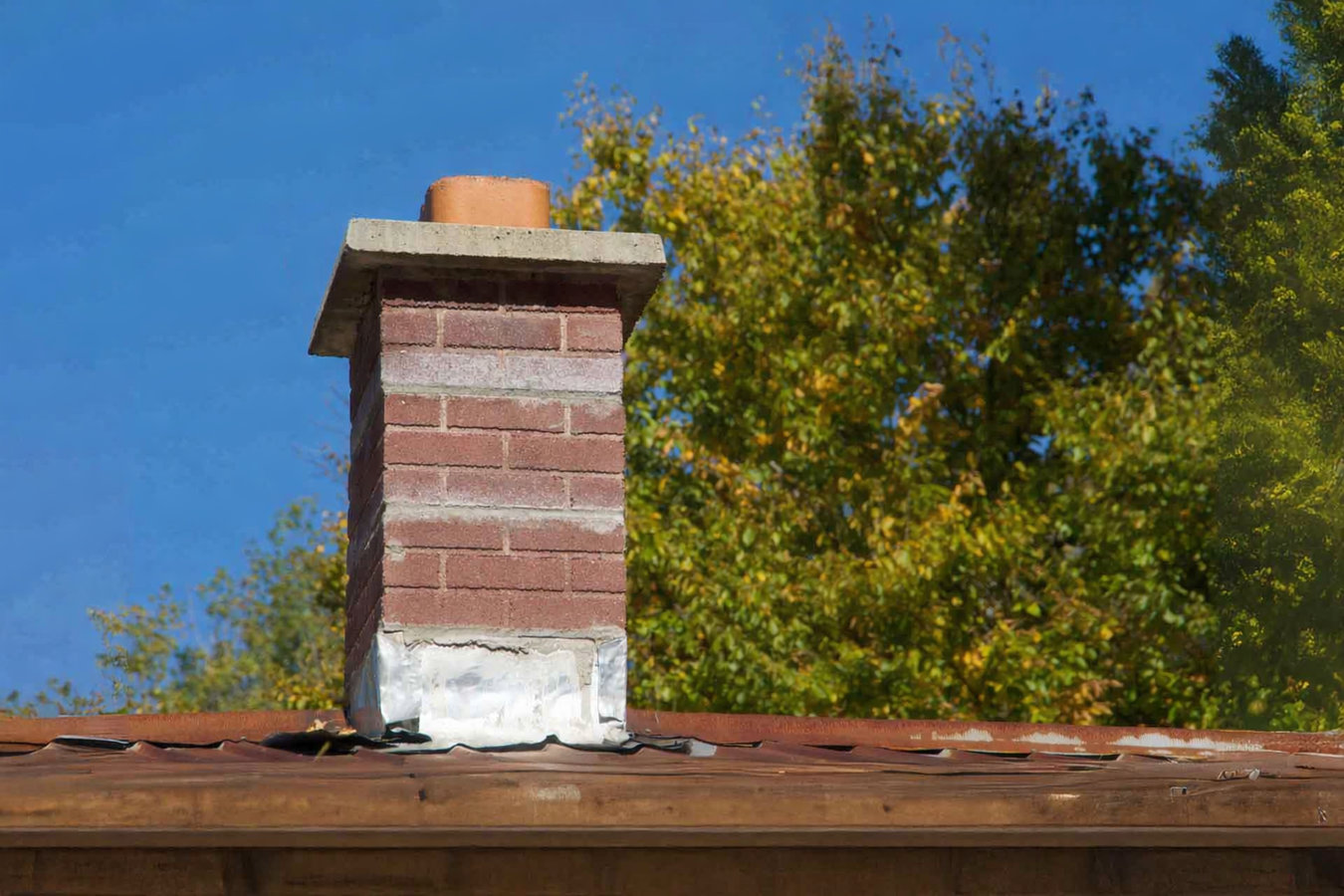
Crumbling mortar, a leaking crown, or a cracked liner all point to the same thing - your chimney needs attention before you light another fire. We inspect first and give you a clear, written estimate before any work begins.
Chimney repair in Claremont, CA covers everything from replacing a rusted cap to relining a deteriorated flue - most jobs are completed in one day, and a camera inspection before any quote tells you exactly what is wrong inside the flue before a dollar is spent.
Claremont has a large number of homes built between the 1920s and 1960s, and many of those chimneys have original clay tile liners that have never been updated. The liner is the component that keeps combustion gases and heat away from your home's wood framing - a cracked one is not just an efficiency problem, it is a safety concern. The Inland Empire's temperature swings - from summer highs well above 90 degrees to winter nights that can drop below freezing - stress mortar joints and crowns year after year, even without heavy rainfall.
If your chimney has not been looked at in several years, it is worth scheduling an inspection before you use the fireplace again. Many chimney problems connect to the condition of the surrounding masonry - our tuckpointing service addresses deteriorated mortar joints on the chimney and surrounding exterior masonry at the same time.
Chalky white streaks on the exterior of your chimney mean water is moving through the masonry and carrying mineral salts to the surface. In Claremont's climate, this often appears after winter rains or after a Santa Ana wind event forces moisture into existing cracks. It signals that water is already getting in and damage will worsen.
Stand back and look at your chimney from the yard. If the mortar between bricks looks sunken, sandy, or has gaps where material has fallen out, the joints need attention. Claremont's temperature swings gradually break down mortar, and once it starts crumbling, water gets in and speeds up the process significantly.
If your fireplace smells damp or you see water marks inside the firebox after rain, water is getting in - through a cracked crown, a missing cap, or deteriorated mortar. This is one of the clearest signals that something needs to be repaired before you use the fireplace again.
If you open the damper and find leaves, twigs, or signs that a bird or squirrel has been inside, your chimney cap is either missing or damaged. This is especially common in Claremont after fall Santa Ana wind seasons. Nesting material inside a chimney is a fire hazard, not just a nuisance.
Chimney repair covers a range of work depending on what the inspection reveals. The least involved jobs are cap replacement and minor mortar patching, which protect the chimney from further water entry without requiring structural changes. More significant repairs - like grinding out and repointing deteriorated mortar joints, rebuilding a crumbling crown, or relining the flue - take longer and involve more materials, but they address the root cause rather than the surface symptom.
Chimneys that serve a working fireplace often benefit from a combined approach - repairing the masonry exterior and checking the condition of the fireplace installation components at the same time, since damage at the top typically works its way down through the system if left unaddressed.
Best for chimneys where the mortar between bricks is crumbling, recessed, or missing in spots - grinding out damaged material and packing in fresh mortar stops the damage cycle.
For chimneys where the concrete cap at the very top has cracked or broken away - a rebuilt crown slopes water away from the flue rather than letting it pool and penetrate.
One of the least expensive repairs and one of the most effective - a properly fitted cap keeps rain, birds, and Santa Ana-driven debris out of the flue year-round.
Using a camera lowered into the flue, we assess the liner condition before recommending relining - the repair that matters most for safety in homes with older clay tile liners.
Claremont sits at the base of the San Gabriel Mountains, where conditions are harder on masonry than most homeowners realize. Summer temperatures regularly exceed 95 degrees and winter nights can drop into the 30s - that daily and seasonal cycling causes masonry to expand and contract repeatedly, gradually opening cracks in mortar joints and chimney crowns. The heat alone causes real damage over time, which is why chimneys in Claremont deteriorate even in relatively dry years.
Santa Ana winds add another dimension. The strong, dry fall and winter winds that sweep through Claremont can force leaves, debris, and moisture into flues that lack a properly fitted cap, and can drive existing moisture deeper into cracked masonry. Homeowners in Upland and Rancho Cucamonga face the same wind and temperature conditions and often call us for the same chimney issues.
The Chimney Safety Institute of America recommends annual inspections and provides homeowner resources on what to look for and when to call a professional - useful reference if you have not had your chimney looked at in a few years.
We respond within 1 business day and schedule an in-person inspection. We do not quote chimney repair prices over the phone - the problem has to be seen from the roof and inside the flue to be diagnosed accurately.
We examine the exterior masonry from the ground and, if needed, from the roof. We also inspect inside the firebox and lower a camera into the flue to see what is happening inside. At the end, we walk you through what we found in plain terms.
You receive a written estimate breaking down the work and the cost. If a permit is required for structural repairs in Claremont, we include that in the estimate and explain who handles the permit and what the inspection process looks like.
Most repairs are completed in a single day. After work finishes, mortar and sealants need time to cure before you light a fire - we tell you exactly how long to wait. If a permit was pulled, the city inspection is coordinated by us before the job is considered done.
We respond within 1 business day, and there is no obligation after the estimate. After you submit, someone from our office will call to schedule a free on-site inspection - no price until we have seen the chimney in person.
(909) 788-2977We use a camera lowered into the flue before naming any price. That is the only way to know what is actually happening inside - and it is what separates an honest estimate from a guess that might miss a cracked liner entirely.
After the inspection you get a written breakdown of what needs to be done and what it will cost. We explain which repairs are urgent and which can wait, so you can make an informed decision without feeling rushed.
We have worked on chimneys damaged by Santa Ana wind events throughout the Claremont area. We know how wind-driven debris and moisture affects older masonry and factor that into every assessment and repair recommendation.
We are a state-licensed and fully insured masonry contractor in California. For structural chimney repairs in Claremont that require a permit, we handle the application and coordinate the city inspection - you receive documented proof the work was done to code.
Claremont homeowners invest in their properties and expect contractors to do the same. We bring that same attention to every chimney job - whether it is a cap replacement on a 1950s bungalow near the Colleges or a liner inspection on a newer foothills home.
If deteriorated mortar joints extend beyond the chimney to the surrounding exterior masonry, tuckpointing addresses the full scope of the damage in a single visit.
Learn MoreWhen a chimney inspection reveals that the firebox itself needs structural work, our fireplace installation service covers rebuilds and new installations from the hearth up.
Learn MoreClaremont temperatures drop fast in November - schedule a chimney inspection now so you know exactly what you are working with before you need the fireplace.