Serving Claremont, CA and surrounding areas. (909) 788-2977
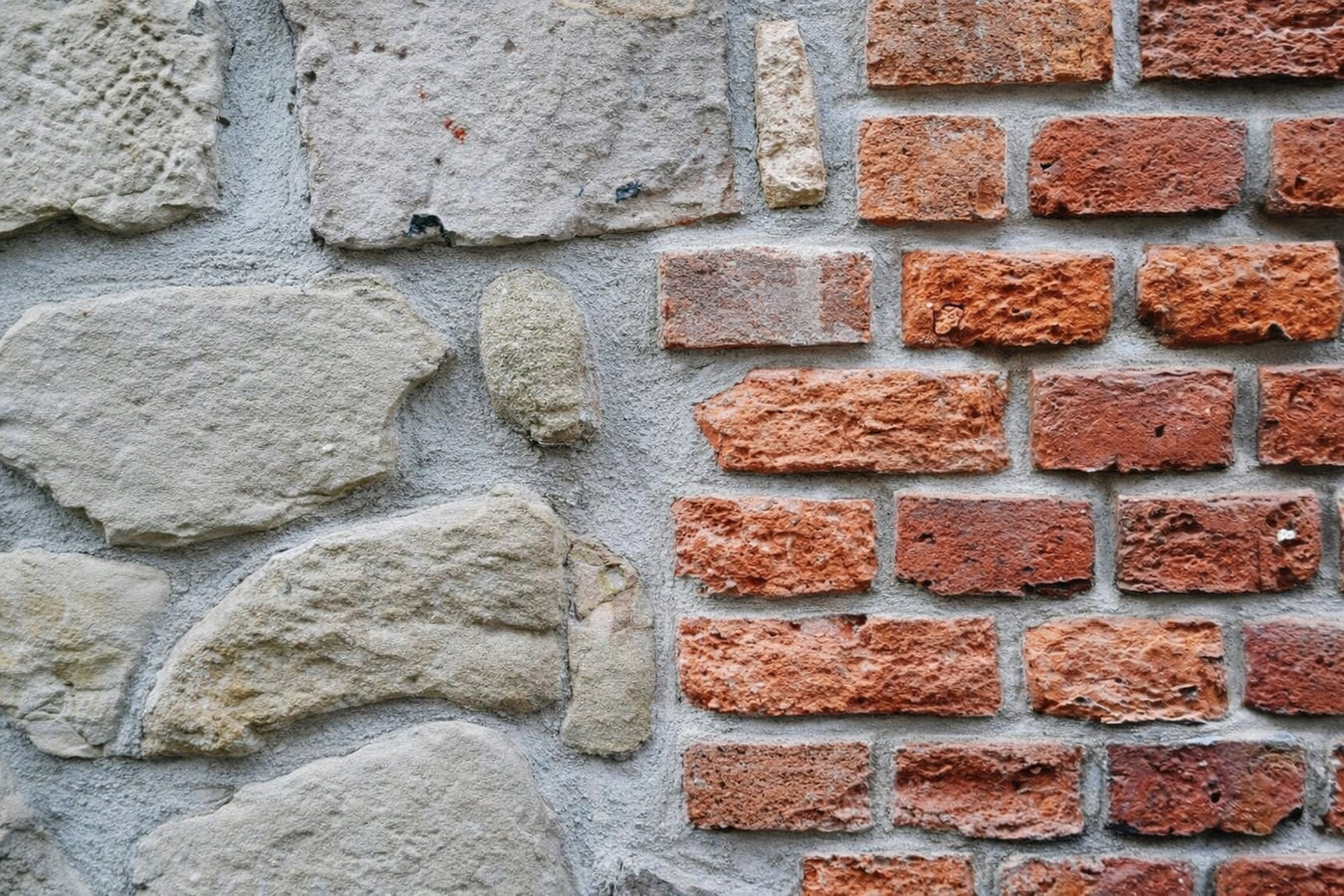
Crumbling mortar and cracked brick let water in and get worse every season. We restore your masonry so it holds up to Claremont summers and winter rains.
Masonry restoration in Claremont covers repairing, cleaning, and stabilizing brick, stone, block, or concrete surfaces that have cracked, crumbled, or pulled apart - most jobs take one to three days for standard chimney or wall work, longer for full rebuilds.
If your chimney looks rough from the yard, your garden wall has cracks you can fit a finger into, or you spotted white streaks on your brick after last winter, the mortar has likely broken down and water is getting in. Masonry restoration in Claremont stops that process before it reaches the framing or interior walls. If you need more than repointing, we also handle full fireplace installation so the entire structure is solid from the hearth to the cap.
Claremont's older homes - especially the Craftsman bungalows and Spanish Revival properties near the Claremont Colleges - were built with softer bricks and lime-based mortars that need careful, compatible repair methods. Getting the materials right is just as important as doing the work itself.
Run your finger along the joints between bricks on your chimney or exterior wall. If the material crumbles easily, feels sandy, or has gaps you can push a finger into, the mortar has failed. In Claremont's dry heat, this kind of deterioration progresses quickly once it starts, and water is already getting in.
A white, powdery residue on brick or stone is called efflorescence - it is salt being pushed out by water moving through the masonry. It is not just cosmetic. It tells you water is traveling through your wall, usually through cracked or missing mortar. In Claremont, it often appears after the first winter rains follow a long dry stretch.
Claremont's combination of intense summer heat, dry Santa Ana winds, and winter rain puts repeated stress on mortar joints. If you notice new cracks in your chimney, retaining wall, or exterior masonry in late fall or early spring, that seasonal cycle is likely the cause. Small cracks widen if left alone.
Stand back and look at the top of your chimney from the yard. If the cap is cracked, the top bricks are leaning, or you can see gaps where bricks have shifted, that is a structural concern. Chimneys on older Claremont homes - especially those built before the 1970s - were often constructed with lime-based mortars that have long since reached the end of their useful life.
Our most common work is repointing - scraping out the old, deteriorated mortar and packing fresh, compatible material back into the joints. We assess the existing brickwork first and match the new mortar's color, texture, and hardness to what is already there. For homes near the Claremont Colleges, that means working with softer, lime-compatible mixes that will not force stress into the original bricks. We also handle full crack repairs, chimney crown rebuilds, and spall replacement when individual bricks have broken apart. If your wall or chimney has suffered structural damage, we can rebuild sections rather than patch over a problem that will return.
For homeowners wanting to go further, we pair masonry restoration with stone masonry accents or complete a chimney project with a new fireplace installation inside - so the structure is solid and the interior matches. Every job, small or large, ends with a walk-through so you can see exactly what was done and ask questions before we leave.
Best for homeowners with crumbling or missing joints on chimneys, garden walls, or exterior facades.
Ideal when the top of your chimney shows cracking, tilting, or visible gaps that let water in from above.
Suits homes where individual bricks have broken apart or the face has flaked off, leaving the wall exposed.
Right for walls with white salt staining or biological growth that signals underlying water movement.
Claremont sits at the foot of the San Gabriel Mountains in the Inland Valley, where summer temperatures regularly exceed 95 degrees and the sun is intense. That sustained heat dries out mortar joints faster than in coastal communities, causing them to shrink, crack, and crumble sooner than you might expect. South- and west-facing walls tend to deteriorate faster here, and waiting too long to address small cracks usually leads to bigger repairs. The dry Santa Ana winds that blow through each fall and winter add another layer of stress, followed by winter rain that works its way into any opening the wind season created. Homeowners in Upland and La Verne face the same Inland Valley conditions and see the same patterns on their older masonry.
Claremont's historic neighborhoods are filled with Craftsman bungalows and Spanish Colonial Revival homes built between the 1910s and 1950s. Many feature original brick chimneys, decorative stone accents, and stucco-over-masonry walls that require careful, historically sensitive repair techniques. Using the wrong mortar mix or a heavy-handed repair approach on these older surfaces can cause visible damage that is expensive to reverse. We work with materials appropriate to the age of the home, so the repair strengthens the structure without damaging the original surfaces or changing the look you value.
We reply within one business day. A brief conversation about what you are seeing and where on the house it is helps us know what to look for before we arrive.
We walk the area with you, point out what we are seeing, and give you a written estimate that breaks down scope, materials, and total cost - no vague ballpark numbers, and no cost for the visit.
The crew arrives, sets up protective coverings, and removes old, damaged mortar or masonry. Expect grinding and chiseling sounds - this is the noisiest part of the job.
Fresh mortar is packed in, joints are shaped to match the existing profile, and debris is cleaned up before we leave. You walk the finished area with us before we go.
Free written estimate. No pressure. We reply within one business day.
(909) 788-2977Claremont's historic neighborhoods have Craftsman and Spanish Revival homes built with softer bricks and lime-based mortars. We assess the existing material first and use a compatible mix - so the repair blends in and the brick faces stay intact.
The City of Claremont requires permits for structural masonry work including chimney rebuilds and retaining wall repairs. We handle that process on your behalf, which means a city inspector signs off on the work and you have documented proof if you ever sell or file a claim.
California Contractors State License Board→Every estimate we provide is written and itemized - materials, scope, and total cost. You can compare it directly against other bids and know exactly what is included. No number scrawled on a card, no surprises on the final invoice.
We work throughout the Inland Valley, from Claremont to Pomona, La Verne, Upland, and surrounding communities. Local contractors who work this area regularly know the climate patterns and the older housing stock - that local experience shows up in the quality of the repair.
Every one of these points comes back to the same thing: we do the work right so you do not have to call someone else in two years. When your home is older and the original masonry matters, that difference is worth paying attention to.
For more information on masonry standards, visit the National Park Service Preservation Briefs or the Brick Industry Association.
Add a new masonry fireplace or upgrade an existing one once the surrounding chimney structure has been restored.
Learn MoreNatural stone walls, veneer, and decorative masonry built or repaired to complement restored brick surfaces.
Learn MoreClaremont winters bring moisture that worsens every crack - call now and get your walls assessed before the next rainy season.