Serving Claremont, CA and surrounding areas. (909) 788-2977
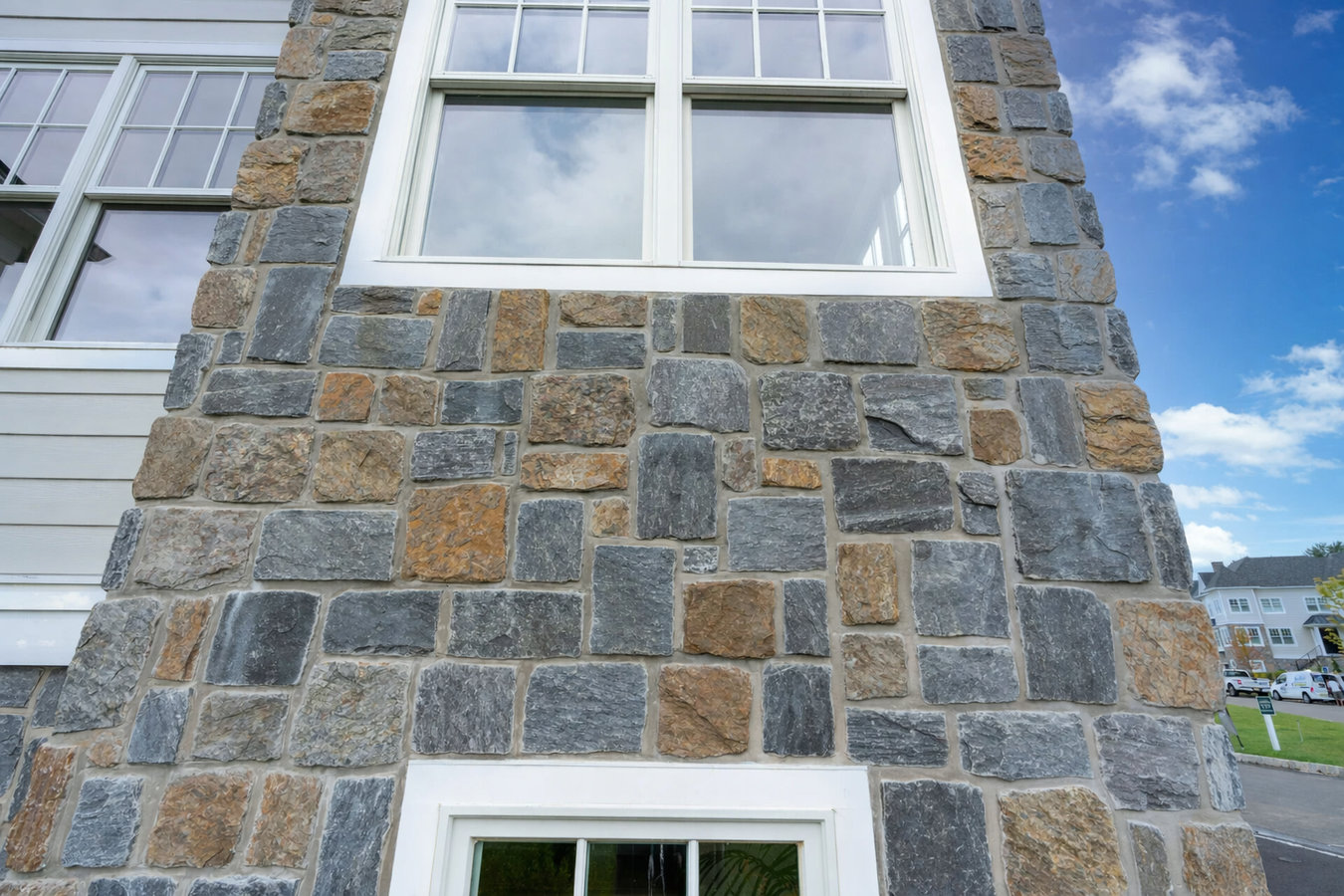
Stone features that shift, lean, or crack are almost always a foundation problem. We build on footings sized for Claremont's clay soil so your wall, patio, or steps hold their shape year after year.
Stone masonry in Claremont covers setting natural or manufactured stone into walls, patios, steps, retaining structures, and outdoor fireplace surrounds using mortar and a prepared base - most residential jobs run one day for a small repair to two or three weeks for a large patio or retaining wall, depending on the design and permit timeline.
The most common reason homeowners call us is a retaining wall or patio that has started to shift, settle, or show cracked mortar. In Claremont, that almost always comes back to the clay-heavy Inland Valley soils that swell through winter rains and shrink through dry summers - movement that puts steady stress on any masonry structure that was not built with deep enough footings. If what you are seeing is crumbling mortar joints rather than structural movement, our brick pointing service can often restore those joints without rebuilding the whole structure. We will tell you honestly which approach makes sense after seeing the project.
Claremont's long warm season and outdoor-oriented lifestyle make stone a popular choice for patios, steps, and garden features. Natural stone in particular holds up well under the area's intense UV exposure and does not fade or warp the way painted or composite materials can. With proper drainage and sealing, a well-built stone surface here can look sharp for decades with minimal upkeep.
A wall that is tilting away from the slope it holds is under stress it was not designed for. In Claremont, this typically follows a wet winter when clay soil swells and pushes against the base. Catching it early costs far less than rebuilding after a full collapse - and a collapsed retaining wall can damage landscaping, fencing, and neighboring property.
When the base beneath a stone surface shifts - which happens regularly as Claremont's expansive soil contracts through summer and swells through winter - individual stones lose support and start to move. A sunken section is a trip hazard that worsens every season, and the gap it creates lets water in to accelerate the problem underneath.
White residue on masonry surfaces is called efflorescence - it forms when water moves through the structure and carries dissolved minerals to the surface. It is especially common in Claremont because the region's mineral-rich groundwater leaves deposits when it dries. Efflorescence signals that moisture is getting into your masonry more than it should and that joints or sealer need attention.
Heat cycles cause masonry to expand and contract repeatedly, and over time the mortar between stones breaks down. Gaps or loose chunks around an outdoor fireplace or fire pit surround mean the structure needs repair before it is safe to use again - especially important in Claremont, where outdoor living spaces get heavy use through the long warm season.
Our stone masonry work covers the full range of residential projects - from structural retaining walls on Claremont's hillside foothills lots to decorative garden borders and entry steps near the Claremont Colleges neighborhood. Every project starts with a proper base: excavated footings, compacted gravel, and a drainage plan suited to this area's wet-dry climate cycle. If you are considering a new boundary or privacy wall, our stone veneer installation service offers a lighter-weight option for exterior wall faces that want the look of stone without full structural masonry thickness.
We work with both natural stone - flagstone, limestone, granite, and slate - and manufactured stone, helping you choose a material that fits your budget, your home's architectural character, and Claremont's HOA guidelines where they apply. Whether you are replacing an aging patio that has shifted over the years or building a new outdoor feature from scratch, we handle the permit application, the site prep, and the cleanup so you are not coordinating multiple trades or chasing anyone down for updates.
Structural walls that hold back a slope or terraced yard - suited for Claremont foothills lots where grade change needs to be managed with a durable, natural-looking material.
Flagstone or cut-stone outdoor surfaces with proper drainage slopes built in - suited for homeowners who want a permanent outdoor living area that holds up to Claremont's dry summers.
Low stone walls and entry steps that frame planting beds, define yard levels, or create a finished edge to landscaping - suited for homes where a natural stone material fits the architectural character.
Stone masonry built around outdoor fireplaces or fire pits, using heat-rated mortar and materials suited for repeated temperature cycles - suited for homeowners expanding an outdoor entertaining area.
Claremont sits at the foot of the San Gabriel Mountains in a climate that tests masonry hard. Summers regularly push past 100 degrees, UV exposure is intense year-round, and the Inland Valley gets most of its annual rainfall in concentrated winter storms rather than steady seasonal rain. That wet-dry stress - combined with clay-heavy soils that swell and shrink on that same schedule - means stone masonry here needs to be built differently than in coastal cities or more temperate climates. Homeowners in Upland and across the broader Pomona Valley deal with the same soil and climate conditions, and the approach we use for footing depth, drainage, and mortar selection reflects all of it.
Claremont also has a significant number of homes built between the 1920s and the 1960s, particularly near the Claremont Colleges and in the Village neighborhood. Stone and mortar from that era has reached or exceeded its design lifespan, and repairs require matching original mortar composition rather than just packing in whatever mix is on the truck. Additionally, many neighborhoods have active HOA guidelines governing exterior changes, and projects near the historic Village area may require Architectural Commission review. Homeowners in La Verne face similar HOA considerations, and navigating those approvals is part of the service we provide - not an afterthought.
We ask a few questions about your project - what you want built or repaired, the rough size, and whether you have photos. Stone masonry is difficult to price accurately without seeing the site, so we schedule a free on-site estimate and respond to every inquiry within one business day.
During the site visit we take measurements, assess soil conditions and drainage, and identify any permit requirements. Within a few days you receive a written estimate that breaks down materials, labor, and permit costs. We flag whether HOA approval is needed so there are no surprises once the project is underway.
Before the first stone is set, the crew excavates the area, compacts the base, and installs any drainage features the project requires. Stone pallets and base materials are delivered - typically to your driveway. This phase is the most disruptive, so expect equipment and temporary disruption to yard access for a day or two.
Stones are set one by one with level and drainage checked throughout. Depending on project size this takes one day to two weeks. After city inspection passes, the crew cleans the site and walks you through the finished work - including the 24- to 48-hour curing window before the surface can take foot traffic.
Free on-site estimate. Written quote before any work begins. No pressure, no obligation.
(909) 788-2977Claremont's Inland Valley clay soils swell in wet winters and shrink through dry summers, and a stone structure built without accounting for that movement will crack or lean within a few seasons. We dig footings sized for how this soil actually behaves, not the minimum depth that would work in more stable sandy ground. Ask any contractor you compare how deep they excavate footings - the answer tells you whether they understand local conditions.
The City of Claremont requires permits for most structural masonry work, and many neighborhoods add an HOA approval layer on top of that. We handle the permit application and provide any drawings your HOA needs before a single stone is set. You will not have to navigate city offices or association paperwork on your own.
Claremont has a strong concentration of Craftsman bungalows and Spanish Colonial Revival homes, and a stone feature that clashes with that character can hurt curb appeal as much as help it. We help you select stone colors and textures that complement what is already on your property. The Natural Stone Institute sets quality standards for natural stone work that guide our material selection process.
Water that pools behind a retaining wall or under a patio undermines the base and can cause the whole structure to shift within a few years - a failure that is both expensive and avoidable. We plan for drainage at the design stage, installing gravel beds or weep holes that let water escape without washing away the foundation. Consult the Mason Contractors Association of America for industry guidance on drainage best practices in residential masonry.
Every one of these points comes back to the same thing: stone masonry that holds up in Claremont requires knowing this area - its soils, its climate, its permit requirements, and the architectural character of its neighborhoods. That local knowledge is what separates a wall that lasts from one that needs fixing in a few seasons.
Repoint deteriorating mortar joints on stone or brick features before water infiltration reaches the wall structure.
Learn MoreApply a natural or manufactured stone facing to an exterior wall or interior feature for a stone look at a lighter weight and lower cost.
Learn MoreSpring bookings fill up fast - reach out now and we will schedule your site visit within a few days.