Serving Claremont, CA and surrounding areas. (909) 788-2977
Claremont Concrete & Masonry has served Glendora homeowners since 2016, delivering stone masonry, retaining walls, and brick repair for the city's foothill ranch homes and older stucco properties - with a local crew that understands the San Gabriel Valley clay soils and wildfire zone requirements affecting masonry work here.
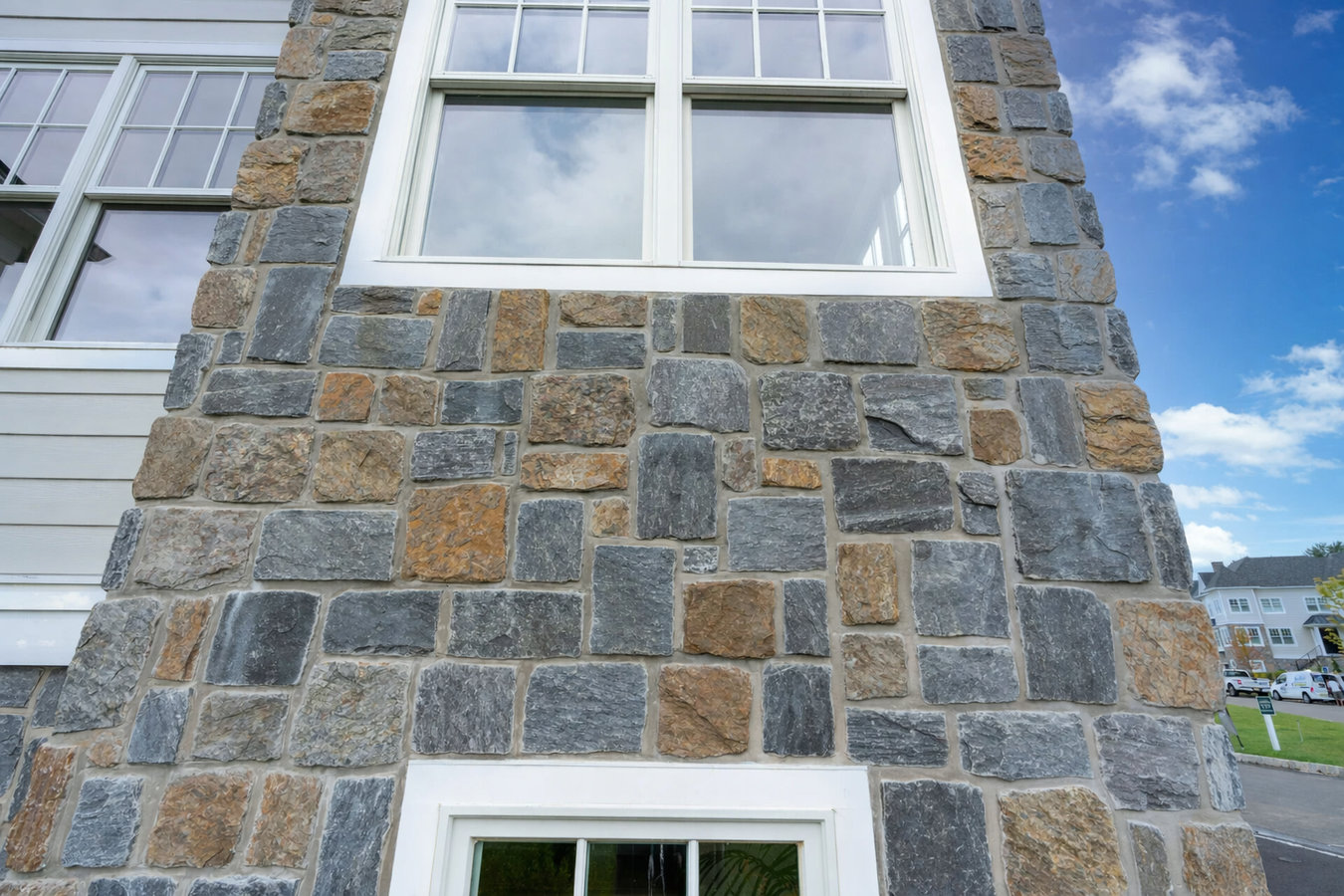
Glendora homeowners in the northern foothills near the Angeles National Forest often choose natural stone for entry pillars, garden walls, and accent features that match the mountain backdrop visible from much of the city. Our stone masonry work for Glendora properties accounts for fire hazard zone requirements and the drainage considerations that hillside lots demand, so decorative stonework does not mask a water management problem underneath.
The sloped lots in northern Glendora near San Gabriel Mountain Road require retaining walls that are sized for the hillside drainage load, not just the visual height. Walls built without adequate drainage aggregate behind them fail under hydrostatic pressure within a few wet winters, and we design wall drainage into every project on sloped Glendora properties from the start.
Many Glendora homes built between the 1950s and 1970s have original brick chimneys, planters, and low boundary walls that have been exposed to 50-plus years of Inland Valley heat and Santa Ana wind cycles. Mortar joints on these structures often crumble before the bricks themselves fail, and catching soft joints early prevents moisture from working deeper into the masonry assembly.
Glendora ranch homes from the 1960s and 1970s commonly have original concrete paths that have cracked and shifted as the expansive clay soil beneath them swelled and contracted over decades. Proper base preparation depth and expansion joint placement are the critical factors for new walkways in Glendora that hold up through the annual wet-dry cycle without repeating the same failure pattern.
Glendora properties with mature shade trees in the front yard - common in the older neighborhoods near Glendora Village and Citrus College - often see root intrusion lifting concrete driveways unevenly over time. Paver driveways allow individual sections to be lifted and reset as roots grow rather than requiring a full pour replacement each time the surface fails.
Block walls that divide properties in Glendora neighborhoods built out in the 1960s are now 50 or more years old, and many were installed on minimal footings that were not designed for the long-term movement of expansive clay soils. Leaning or cracked block walls cannot be stabilized by patching - sections showing lean typically require partial or full reconstruction on a properly sized footing.
Glendora sits at the base of the San Gabriel Mountains in the eastern San Gabriel Valley, and that position shapes almost every masonry job we do here. The northern part of the city - the foothill neighborhoods that back up toward the Angeles National Forest - has sloped, irregular lots with mature trees and terrain that behaves very differently from the flat, grid-patterned streets of south Glendora. Across both parts of the city, the underlying soil is expansive clay, which is the primary force behind cracked driveways, tilted block walls, and failing concrete flatwork throughout the area. That clay swells when winter rains arrive and then contracts through the long, hot, dry summer - a cycle that stresses masonry at the footing level, not just the surface. Most of Glendora's housing stock was built between the 1950s and 1980s, putting a large share of original concrete and brick work in the 45-to-75-year age range, well past what most original installations were designed to handle.
The wildfire hazard is a real factor for masonry decisions in Glendora's foothill zones. The 2014 Colby Fire burned through the foothills just north of the city, and CAL FIRE designates portions of northern Glendora as high or very high fire hazard severity zones. Homeowners in those zones are increasingly choosing non-combustible masonry materials - stone, concrete block, and brick - for outdoor features rather than wood, both for safety and because fire-rated materials may be required under California's defensible space regulations. Santa Ana wind events in fall and early winter bring additional stress to masonry, driving debris against surfaces and forcing moisture into any joint that is already softening.
Our crew works throughout Glendora regularly, and we understand the local conditions that affect masonry work here. We pull permits from the City of Glendora Community Development Department for structural jobs and are familiar with the review process for retaining walls and grading on the hillside properties in the northern part of the city, where an engineered plan is sometimes required. The foothill lots near San Gabriel Mountain Road and the canyon areas are the jobs that require the most upfront planning - drainage paths, footing depths, and material choices for fire-hazard-zone compliance all need to be sorted before a shovel goes in the ground.
Glendora is a well-established city with a strong sense of place. The neighborhoods near Glendora Village have the older housing stock - 1950s and 1960s ranch homes with mature trees and original concrete work. Citrus College sits near the center of the city and has been part of Glendora since 1915. The 210 Freeway runs along the southern edge, making the city easy to reach from neighboring San Dimas and Azusa. Homeowners in Glendora tend to be long-term residents who take maintenance seriously, and we try to match that standard in every job we deliver here.
We also regularly serve homeowners in Diamond Bar and neighboring San Dimas to the west, so if you are on the Glendora-San Dimas border, we are already in your area on a regular basis.
Reach us by phone at (909) 788-2977 or through the contact form and we reply within one business day. If your property is on a hillside lot, a quick description of the slope and the existing masonry helps us prepare for the visit.
We visit your Glendora property, assess the masonry and the site conditions - including soil type, drainage, and slope - and provide a written estimate with no obligation. We flag any permit requirements before you decide, so there are no cost surprises partway through the project.
Once you approve the estimate, we handle any required permit applications with the City of Glendora and schedule the crew. You do not need to be present during work, but we will confirm access needs for gated properties or hillside lots before the start date.
When work is complete, we walk the site with you, confirm the project matches the agreed scope, and clear all debris and equipment. For permitted jobs, we coordinate the final inspection with the City of Glendora so you have a closed permit on record.
Serving Glendora homeowners since 2016. Written estimate, no obligation, one business day reply.
(909) 788-2977Glendora is a city of roughly 52,000 people in the eastern San Gabriel Valley, bordered by the foothills of the Angeles National Forest to the north and the 210 Freeway to the south. The city has a well-established downtown district known as Glendora Village, a tree-lined commercial area that draws residents from across the eastern San Gabriel Valley. Citrus College has anchored the city's educational identity since 1915. The housing stock is split between the flat, grid-like streets in the south and central parts of the city - where most of the 1950s and 1960s ranch homes are concentrated - and the larger, irregular lots on hillside streets closer to the mountains.
About 65% of Glendora homes are owner-occupied, and the city has some of the highest home values in the eastern San Gabriel Valley. Many residents have lived in their homes for decades, which means the original masonry - driveways, block walls, brick chimneys, and concrete walkways - is aging at the same rate across large swaths of the city. Neighboring San Dimas to the west shares the same foothill geography and housing age profile, and homeowners on the Glendora-San Dimas border often face identical masonry conditions.
Restore structural stability and stop foundation damage before it spreads.
Learn MoreFix cracks, spalling, and mortar deterioration for a safe, weathertight chimney.
Learn MoreReplace deteriorated mortar joints to protect and extend the life of your masonry.
Learn MoreRebuild or replace damaged bricks to restore appearance and structural integrity.
Learn MoreInstall durable, attractive pavers that enhance curb appeal and withstand heavy use.
Learn MoreBuild strong retaining walls that control erosion and transform sloped terrain.
Learn MoreCustom-built fireplaces designed for safety, efficiency, and lasting style.
Learn MoreConstruct solid, low-maintenance block walls for privacy, security, and boundaries.
Learn MoreCreate a level, load-bearing block foundation for new and existing structures.
Learn MoreBuild custom outdoor kitchens in stone and brick for year-round entertaining.
Learn MoreDesign and install durable walkways that guide guests and enhance landscaping.
Learn MoreLay custom brick walls that add character, privacy, and lasting value.
Learn MoreRepoint worn mortar joints to prevent water intrusion and preserve your brickwork.
Learn MoreCall us today or submit a request online - we reply within one business day and provide a written estimate at no charge.