Serving Claremont, CA and surrounding areas. (909) 788-2977
Loose bricks, crumbling mortar, and diagonal cracks are common in Claremont's older homes. We diagnose the real cause and fix it properly - using the right mortar match so the repair holds and your wall looks like itself again.
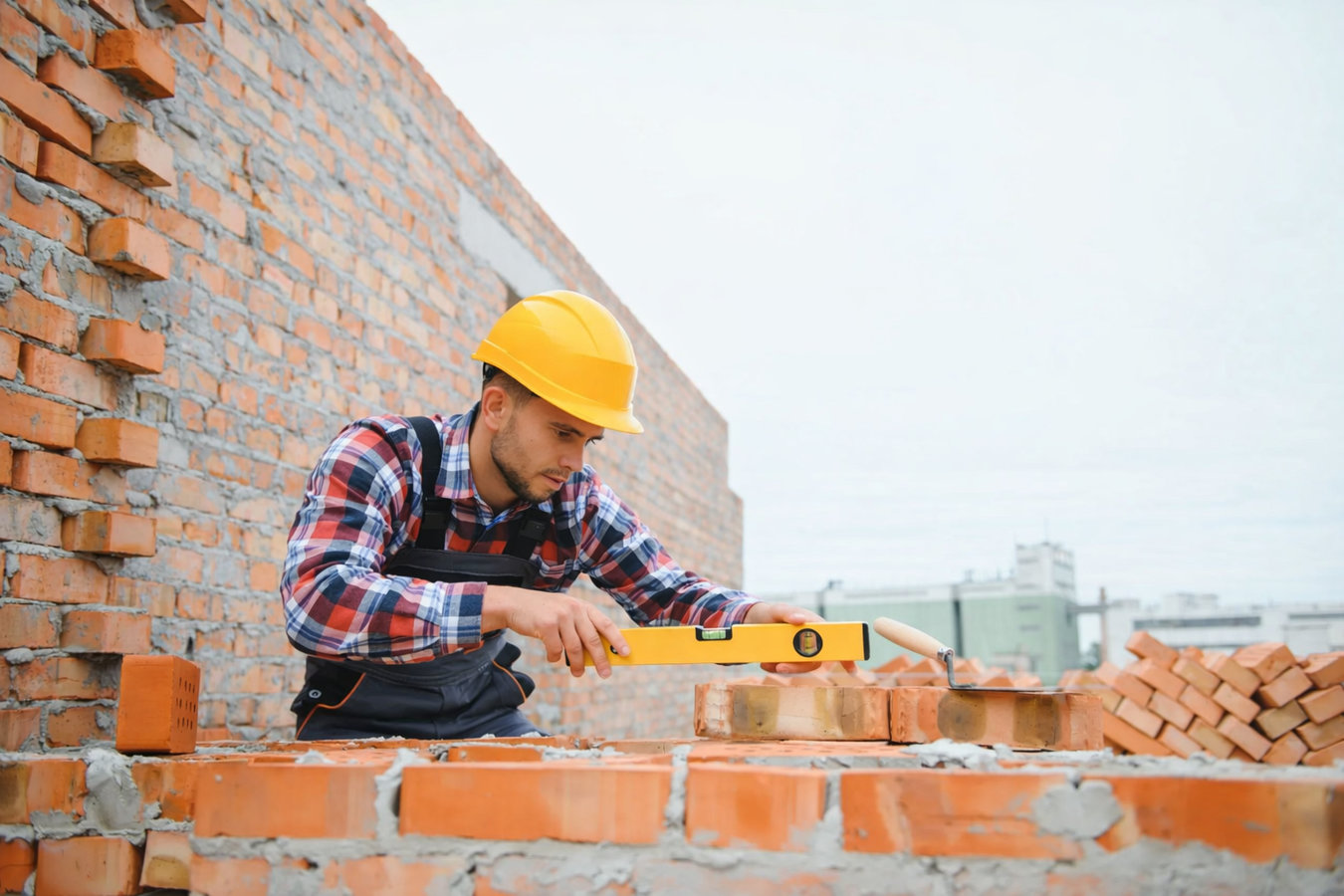
Brick repair in Claremont covers removing damaged mortar or resetting loose bricks and packing fresh material to restore the wall, most residential jobs take one to three days from start to finished walkthrough.
Most brick problems homeowners notice - crumbling edges, loose bricks, recessed joints - can be fixed without tearing anything down. A skilled mason removes only the damaged material and rebuilds that section, leaving the rest of the wall untouched. In Claremont, where many homes date to the 1920s through the 1950s, the history of the wall matters: original mortar was softer than what is used today, and choosing the wrong replacement material can crack the original bricks over time.
When the joints are the primary issue rather than the bricks themselves, our tuckpointing service handles that more precisely. We will tell you which approach fits your wall after seeing it in person.
That residue is called efflorescence. It forms when water moves through the wall and deposits mineral salts on the surface as it evaporates. In Claremont's dry climate it can appear quickly after mortar fails, even though the air feels dry. Irrigation water and winter rains can still work through damaged joints.
Run your finger along the lines between your bricks. If mortar feels soft, flakes off easily, or has pulled back from the brick face, it is no longer sealing the wall. This is common on Claremont homes from the mid-20th century where original mortar has simply reached the end of its lifespan.
Cracks that run in a stair-step pattern along mortar joints usually signal wall movement - in Claremont, often from seismic activity or soil shifting near large tree roots. These are different from small vertical cracks and need professional attention sooner rather than later.
If you can wiggle a brick with your hand, or one is sitting proud of the wall surface, the mortar has failed completely. This is both a cosmetic and a safety issue - loose bricks in a garden wall or chimney can fall, especially during minor shaking that is routine in this part of Southern California.
We handle every layer of brick damage - from mortar joints that need grinding and repacking to bricks that have shifted, spalled, or broken and need full replacement. Our first step on every job is testing the existing mortar so we can match its composition, not just its color. For pre-1950s Claremont homes, that means working with a softer lime-based formula that is compatible with the original brick. Alongside mortar work, we pair brick repair with our driveway pavers service when brick damage extends to hardscape areas around the home.
We work on attached walls, garden walls, retaining walls, planters, and chimneys. If your home is in a Claremont HOA neighborhood - where design guidelines govern mortar color and finish - we match the repair to the existing wall so it looks like it was always there. Color-matching is one of the clearest signs of quality in this trade, and we take it seriously on every job, whether the wall is two feet of planter edge or an entire chimney face.
For walls where joints have failed across a significant area and need to be ground out and repacked section by section.
Suited to homeowners dealing with individual bricks that have shifted, protruded, or become a safety concern.
For bricks that are cracked, spalling, or broken and need to be removed and replaced with matched material.
Ideal for chimneys showing joint failure, displaced bricks, or mortar cap damage that is hard to spot from the ground.
Claremont's housing stock skews older, particularly in the neighborhoods near the Claremont Colleges and along the historic tree streets. Many homes here were built between the 1920s and the 1950s, with original brick and mortar that has now been through decades of Southern California heat cycles, Santa Ana winds, and the kind of slow seismic stress that comes from living near active fault lines. The dry climate here is hard on mortar - it causes material to shrink and crack in ways that homeowners in wetter parts of California never see. Homeowners in Pomona, CA and Ontario, CA face the same combination of aging masonry and Inland Empire climate conditions, and we work in both cities regularly.
Claremont's tree canopy is one of the things that makes the city distinctive - but mature tree roots near garden walls and low retaining walls can push bricks out of alignment from below. If you have a brick structure near a large mature tree, it is worth having a mason look at whether root pressure is involved rather than just patching the surface. In HOA neighborhoods, which are common throughout Claremont, exterior repairs also need to meet specific color and material guidelines. We have navigated that process many times and can help you understand what you may need before a single brick is touched.
We reply within one business day. Tell us where the damage is and roughly how much area is involved. We will decide together whether a phone estimate makes sense or whether seeing it in person is the right first step.
We walk the damaged area with you - checking whether bricks need full replacement, whether the mortar can be matched, and whether there is movement-related damage underneath the visible surface. You get a written estimate before we schedule any work.
We grind out damaged mortar, remove and replace broken bricks as needed, and pack in fresh material matched to the existing wall. Expect grinding noise and some dust. We lay drop cloths and clean up at the end of each day.
Before leaving, we walk you through the finished job. Fresh mortar needs 24 to 48 hours before it should get wet. We tell you exactly what to avoid so the repair cures correctly in Claremont's dry climate.
The longer damaged brick goes unaddressed, the more it spreads. Call us or fill out the form and we will respond within one business day.
(909) 788-2977We test the composition of your existing mortar before mixing anything new. For Claremont homes built before the 1950s, that means a softer lime-based formula that will not crack the original brick over time. This step is easy to skip and expensive to fix if it goes wrong.
We have repaired brick walls throughout Claremont and the surrounding Inland Empire since 2016. We know the older neighborhoods near the Claremont Colleges, the HOA communities with color requirements, and the seismic and root-pressure conditions that cause brick damage here.
Older Claremont homes sometimes have layers of previous repairs under the surface - things you cannot see until work begins. We walk you through everything we find before we proceed and never add to the cost without your approval first.
You can look up any California masonry contractor on the California Contractors State License Board website to confirm their license is active and current. A licensed contractor also carries the insurance that protects your property if anything unexpected happens during the job.
The right mortar match, a written scope, and a contractor who understands how Claremont's climate and soil conditions affect brick - that combination is what separates a repair that holds for decades from one that needs to be done again in a few seasons.
For technical guidance on mortar types and brick repair standards, see the Brick Industry Association and the International Masonry Institute.
When brick damage extends to the hardscape - pavers, aprons, or transitions near the home's exterior walls.
Learn MoreWhen joint deterioration is the primary problem and bricks themselves are still solid - precision mortar repointing.
Learn MoreWind, heat, and seismic stress all take a toll on Claremont masonry. Call today or send a message and we will reply within one business day.